
Request Your Free Window Quote
Simply fill in your details for your free, no obligation quotation
When to Choose Which
Price Difference Between Aluminium and UPVC
When standard window sizes aren’t adequate for your window openings because of them being oversized, added material, stronger framing and more glazing support is demanded, increasing the final cost. Any window personalisation will also add to the price.
Other contributors to the cost of aluminium windows vs UPVC UK is what glazing is selected and what thermal efficiency rating you want them to realise.
Next-generation glazing comes at a cost, but you mustn’t overlook the magnified insulation and comfort it harvests.
Nominating a standard colour will stabilise window costs. If you want a different hue, window production costs will be higher, and powder-coated aluminium finishes incur extra cost, as will dual-coloured finishes.
Additional price influencers include installations that call for structural alteration, bespoke shaping or involve complex site access.
While aluminium windows are mostly costlier than UPVC windows, they’re worth it for what they offer, which is resilient frames, towering strength and long-lasting quality.
Can They Save Me Money?
Definitely. But how much money is dependent on things like energy efficiency and the level of durability offered.
What is a good u value for windows? As low as possible, which is what most modern UPVC window systems with double or triple glazing can achieve – around 1.2 W/m²K. Contemporary thermally broken aluminium window systems often succeed in matching that.
In general, aluminium windows outlive UPVC windows by around a decade or more. Their potential lifespan is 30-40 years, sometimes longer, owning to how weather-resistant they are and further attributes.
The lifecycle of UPVC windows certainly isn’t short, we hasten to say, but they’ll tend to need replacing sooner than aluminium frames, which affects cost.
Look past the higher cost of aluminium and stay fixed on the bigger picture, namely that aluminium windows endure for decades and retain their toughness over that period. Some consider aluminium to be a smarter-looking material too and are happy to commit to the extra outlay of securing it.
UPVC will have great appeal if aluminium falls outside of your budget and it pledges excellent thermal performance and affordability in terms of running costs.
Which Endures Longest and Needs the Least Upkeep?
Aluminium windows come first for longevity if you’re questioning how long do windows last, but UPVC is just as simple to maintain as aluminium, requiring only minimal attention.
30-40 years is the normal timeframe for an aluminium window’s life, credited to the solidity of the material and its ability to stave off weathering. Powder-coated finishes are fused into aluminium frames, resistant to fading, corrosion and peeling.
UPVC windows normally last for about 20-30 years and offer superb durability and weather-resistance. The only thing to be conscious of is low-quality UPVC profiles, as they often discolour, stain and become brittle.
Timber needs a lot more maintenance compared to aluminium and UPVC, which can be cared for as follows:
- Use a soft non-abrasive cloth and warm soapy water to wipe the frames clean.
- Lubricate window components every few months.
- Inspect the seals and gaskets occasionally.
Which Offers Most Security?
Both provide outstanding security if specified with top-class locking mechanisms and first-rate glazing.
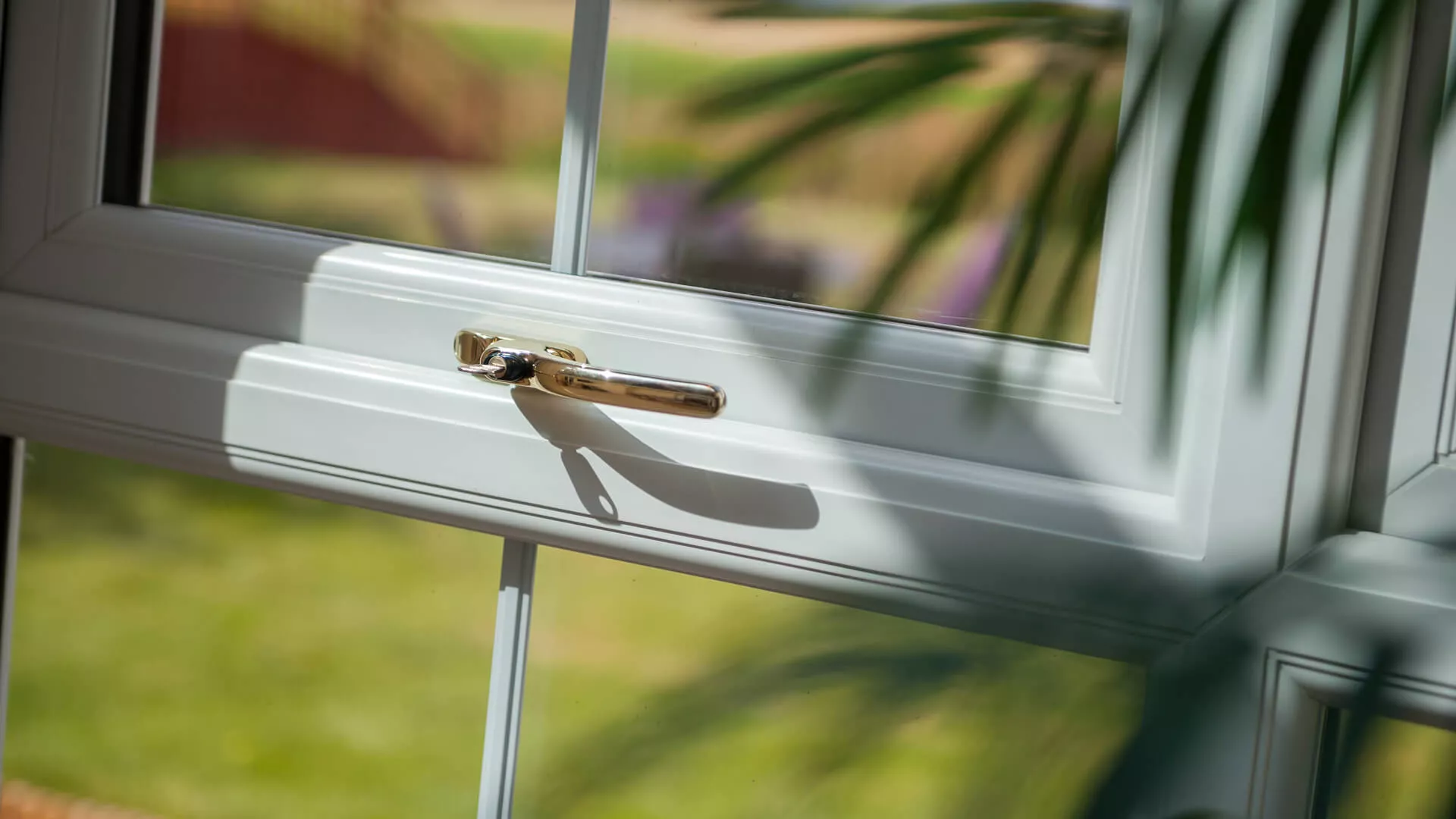
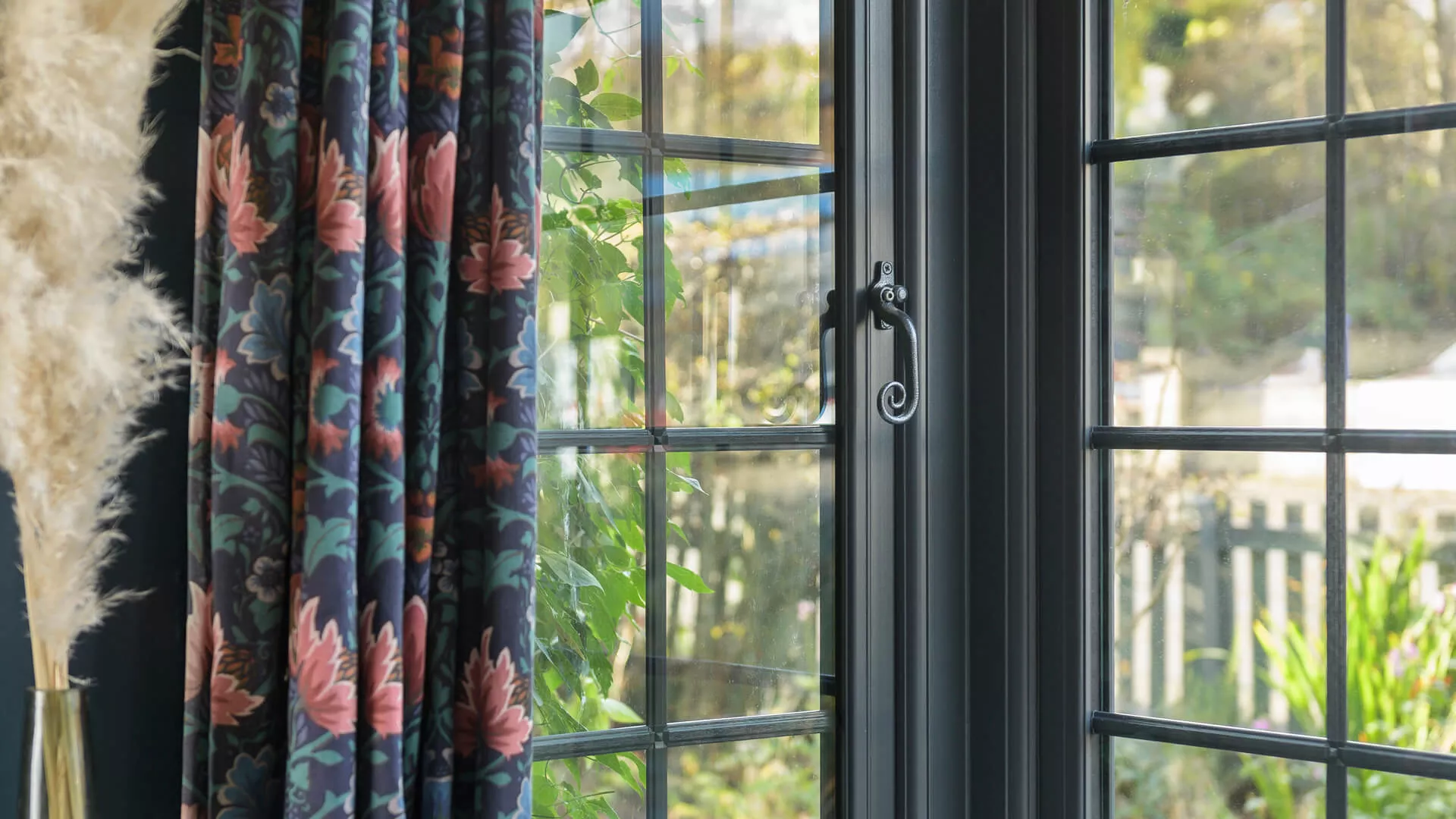
It would be questionable if any modern aluminium or UPVC energy efficient windows didn’t incorporate a multi-point lock, designed to engage a window at several points to drastically reduce the possibility of a forced entry occurring.
Rigid aluminium doesn’t bend or warp, which is a further safeguard against any break-in attempt. UPVC cannot rival aluminium’s strength, but it qualifies as being secure when comprising robust hardware and a reinforced lock.
UPVC and aluminium window frames are just one component of security, also relying on locks, hinges, glazing etc., to protect spaces.
Will They Warm My Home and Make It Greener?
Indoor warmth will be vastly magnified, as UPVC windows accomplish a U-value of about 1.2 W/m²K and some aluminium windows realise a similar figure, indicating exceptional insulation.
Insulating gas is placed between the glass panes, limiting heat loss and uplifting heat within the home and energy savings. The thermal breaks in aluminium frames disrupt heat flow through the material, crucial for aluminium to rival the insulation of UPVC.
Windows good enough to be classified as high-performance manage to generate tremendous warmth in winter and ventilate rooms in summer, enabling heater and air conditioning usage to be reduced. Homes that consume less energy contribute to environmental conservation.
Select either of the two materials and you’re guaranteed exquisite thermal performance.
For tips on amplifying the thermal qualities of energy-efficient windows, consult our blog on how to insulate windows.
How Do The Windows Look and Will They Match My House?
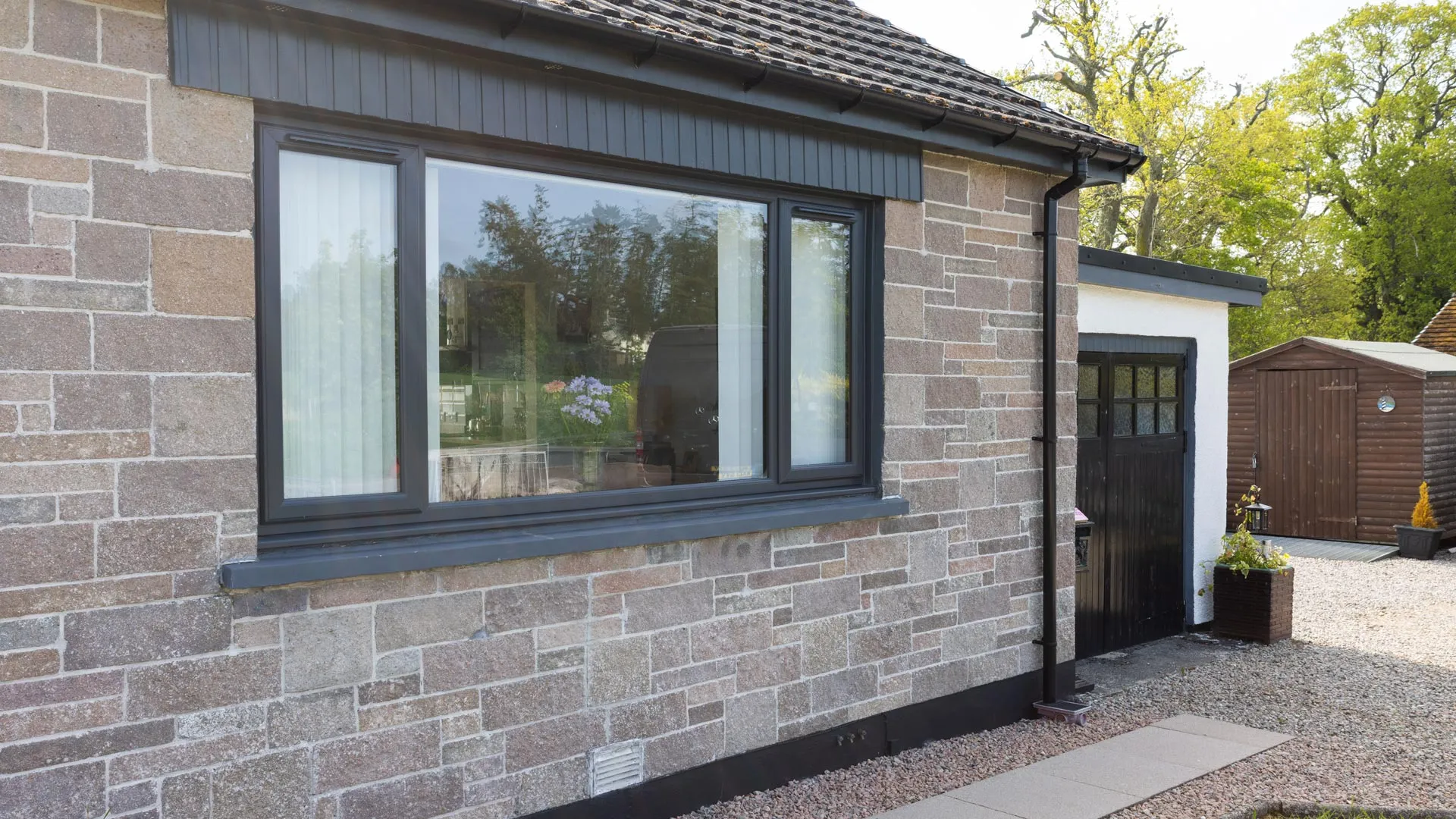
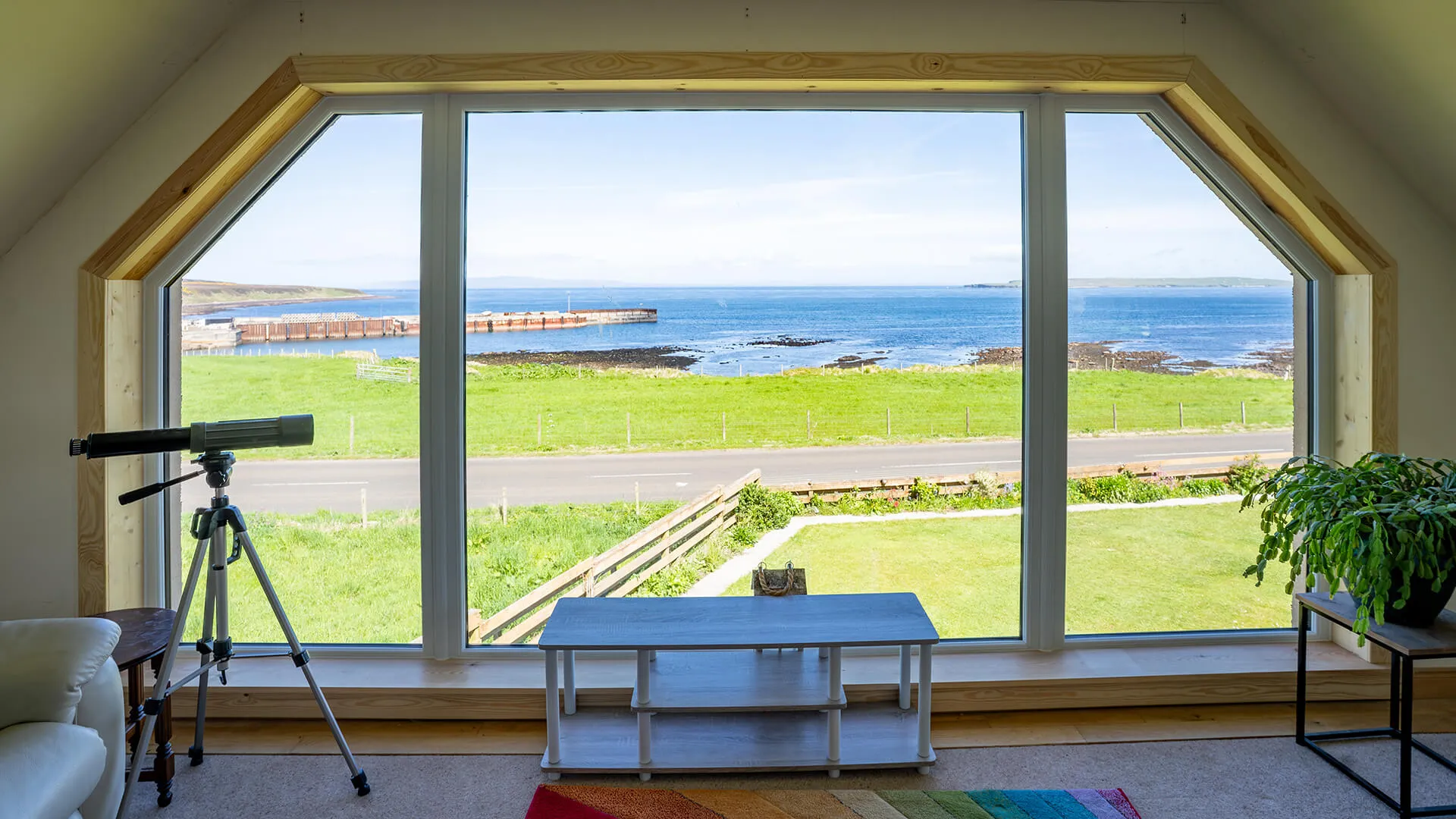
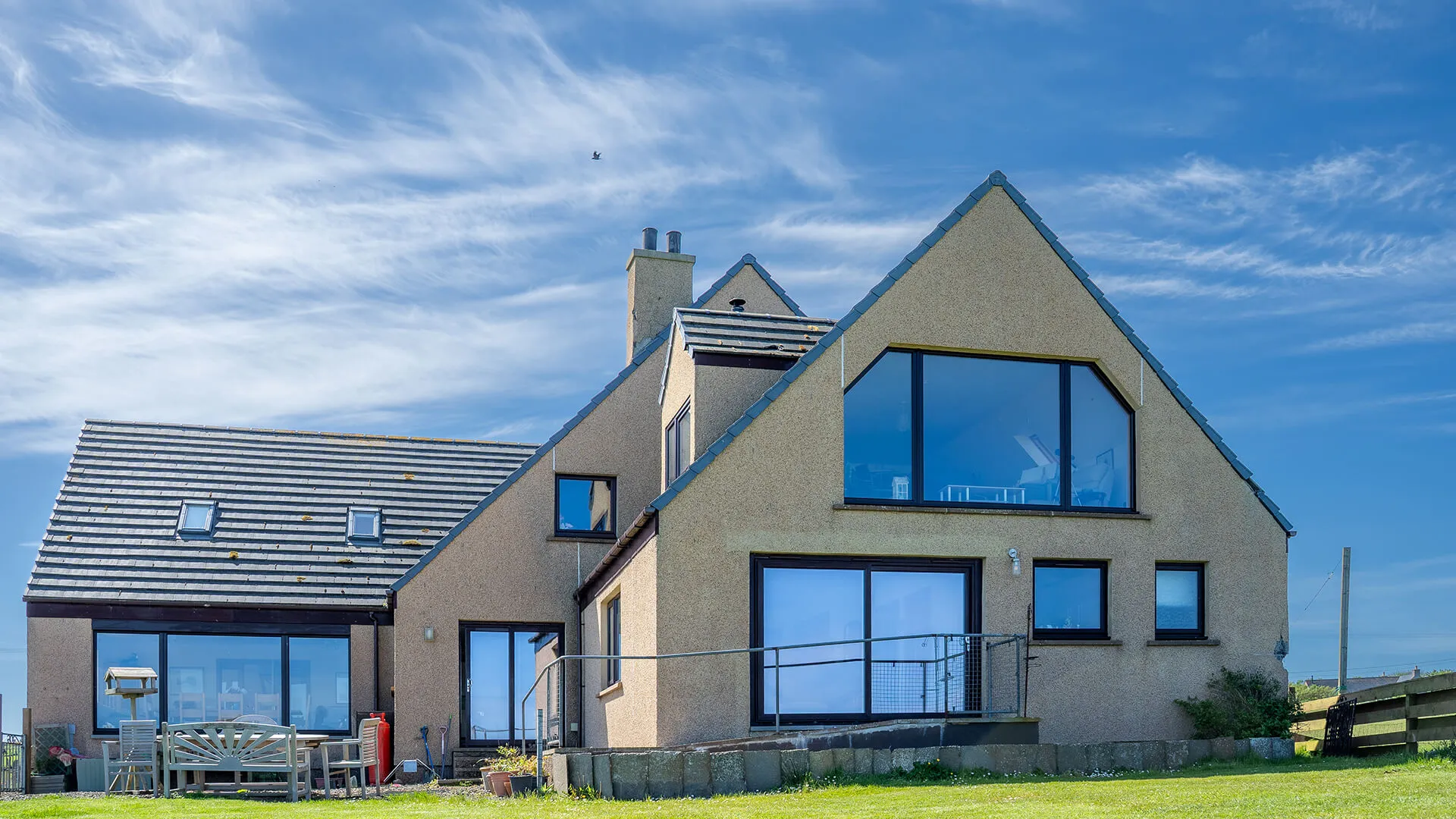
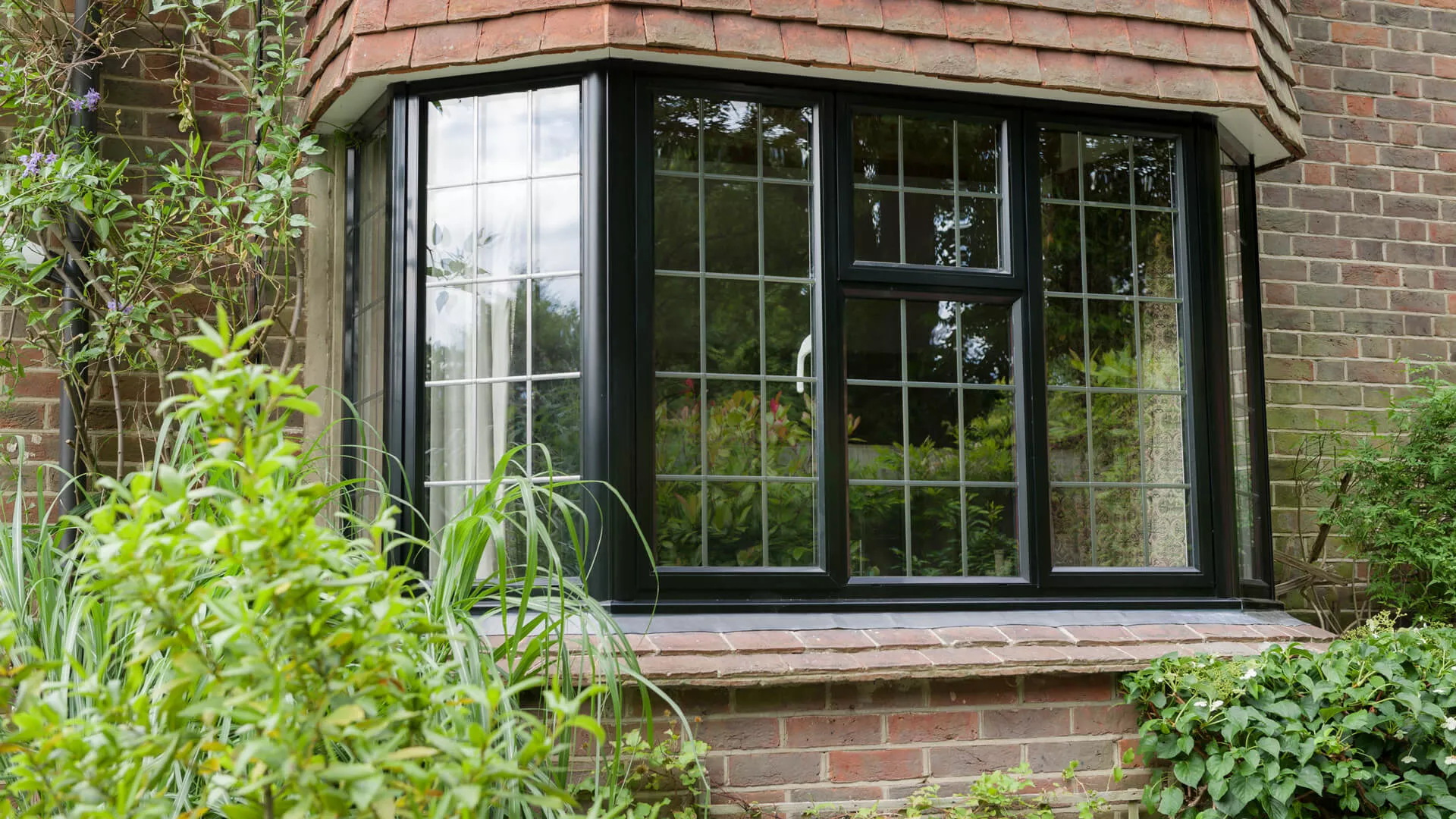
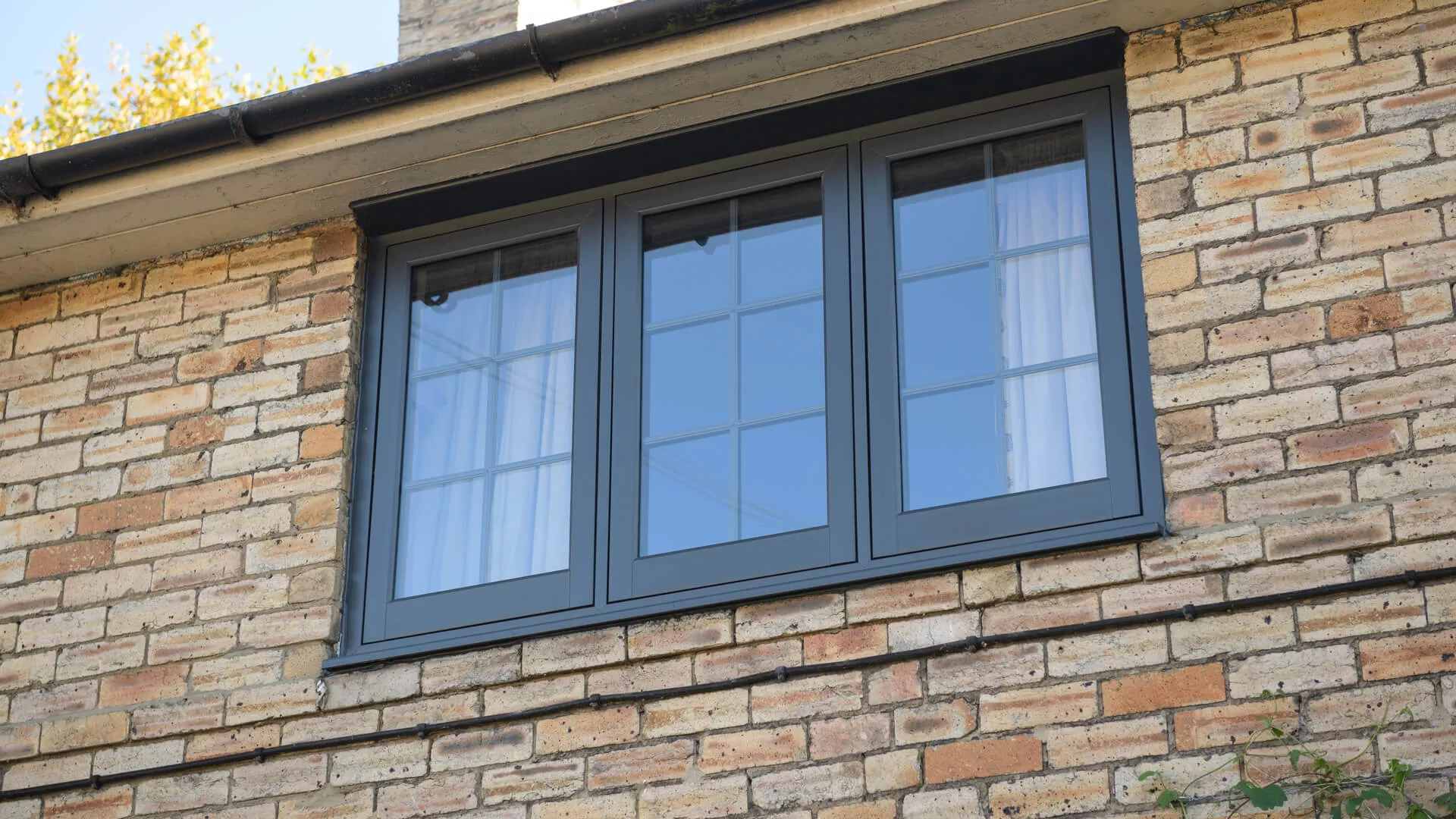
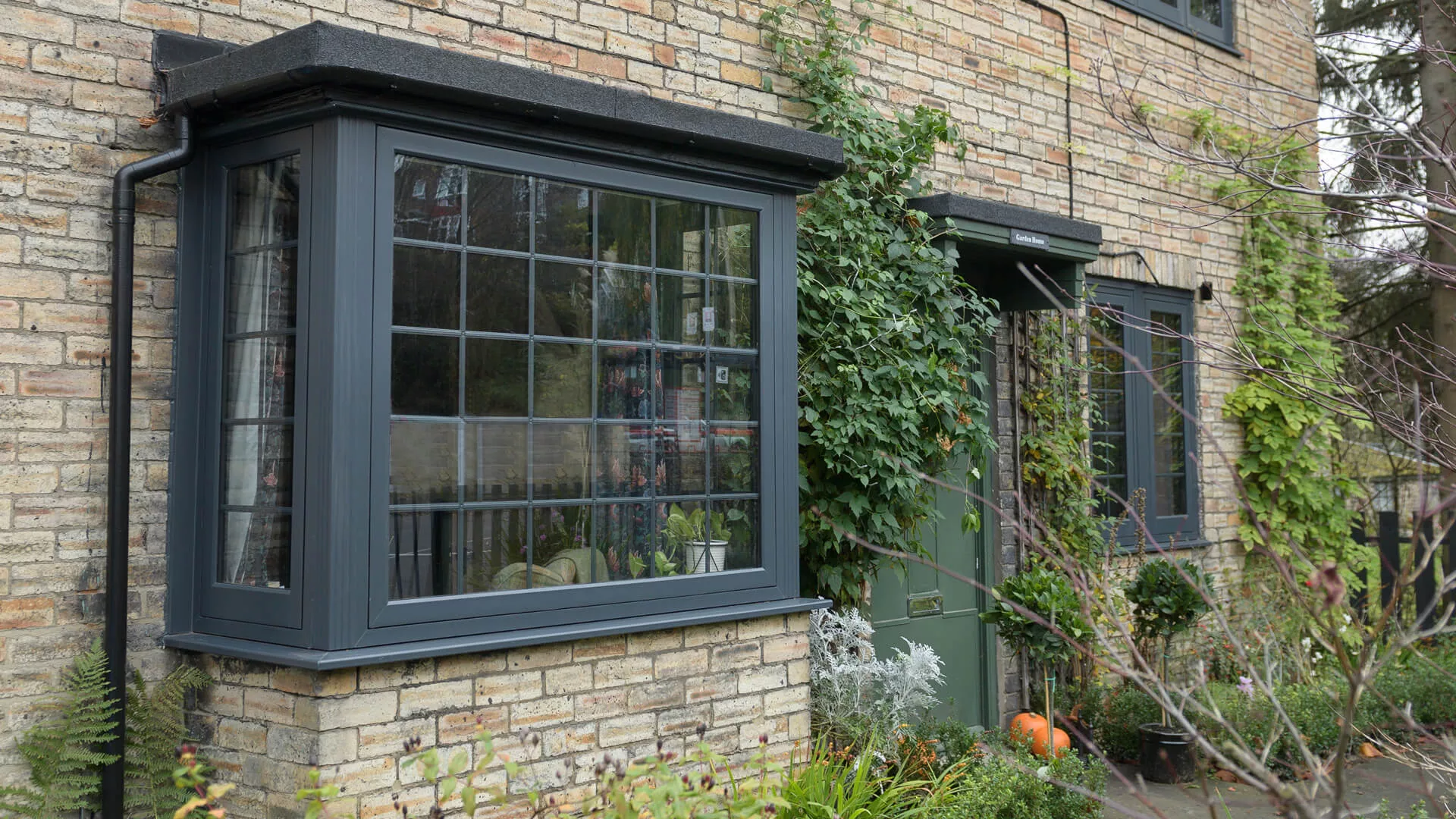
Aluminium windows exude class, offering beautifully slim frames and massive sightlines. Strength is pivotal to aluminium being able to support large glass facets with ultra-slim frames. Aluminium installations mostly take place at modern residences and in situations where occupiers want their rooms to receive abundant light.
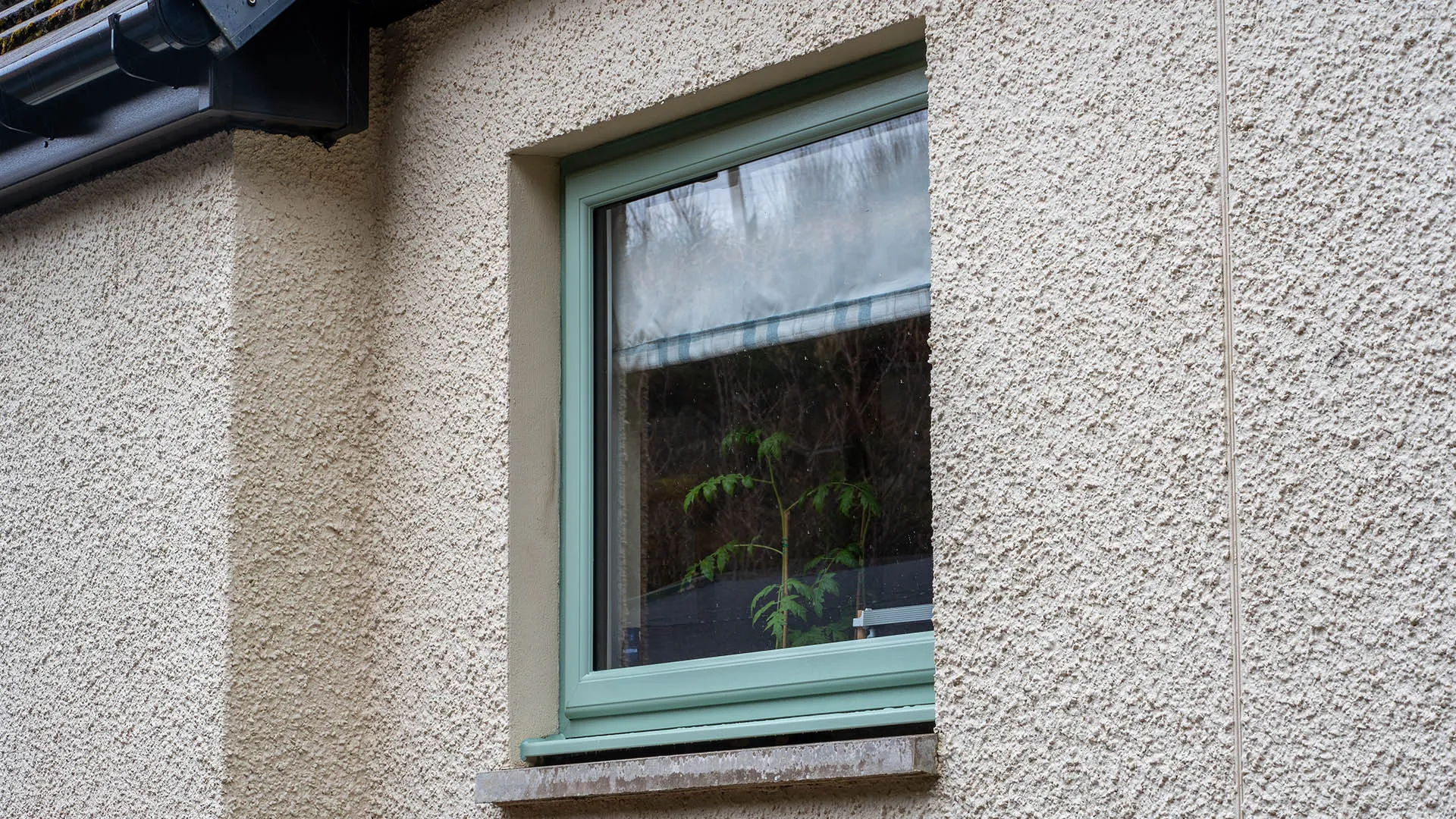
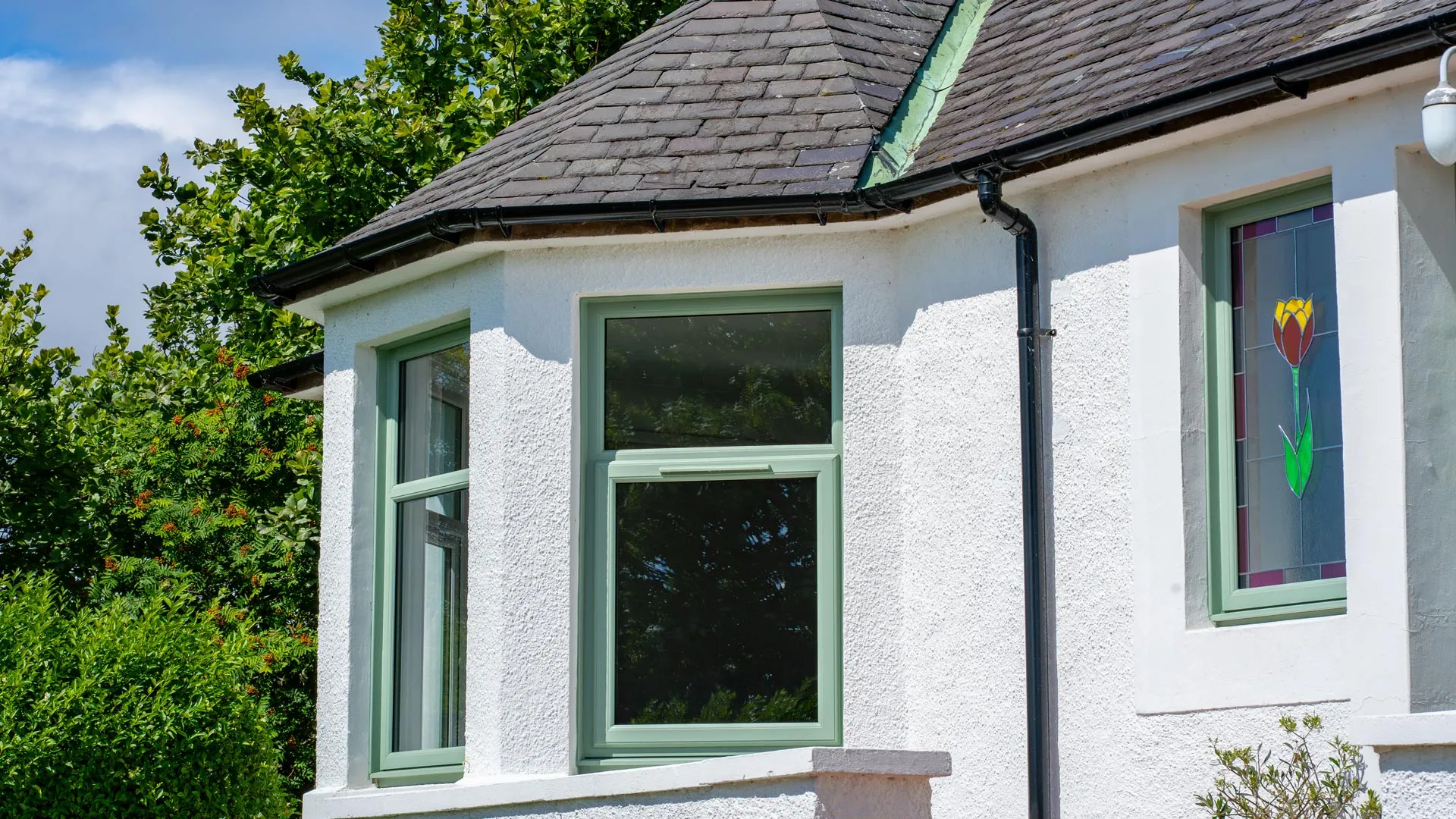
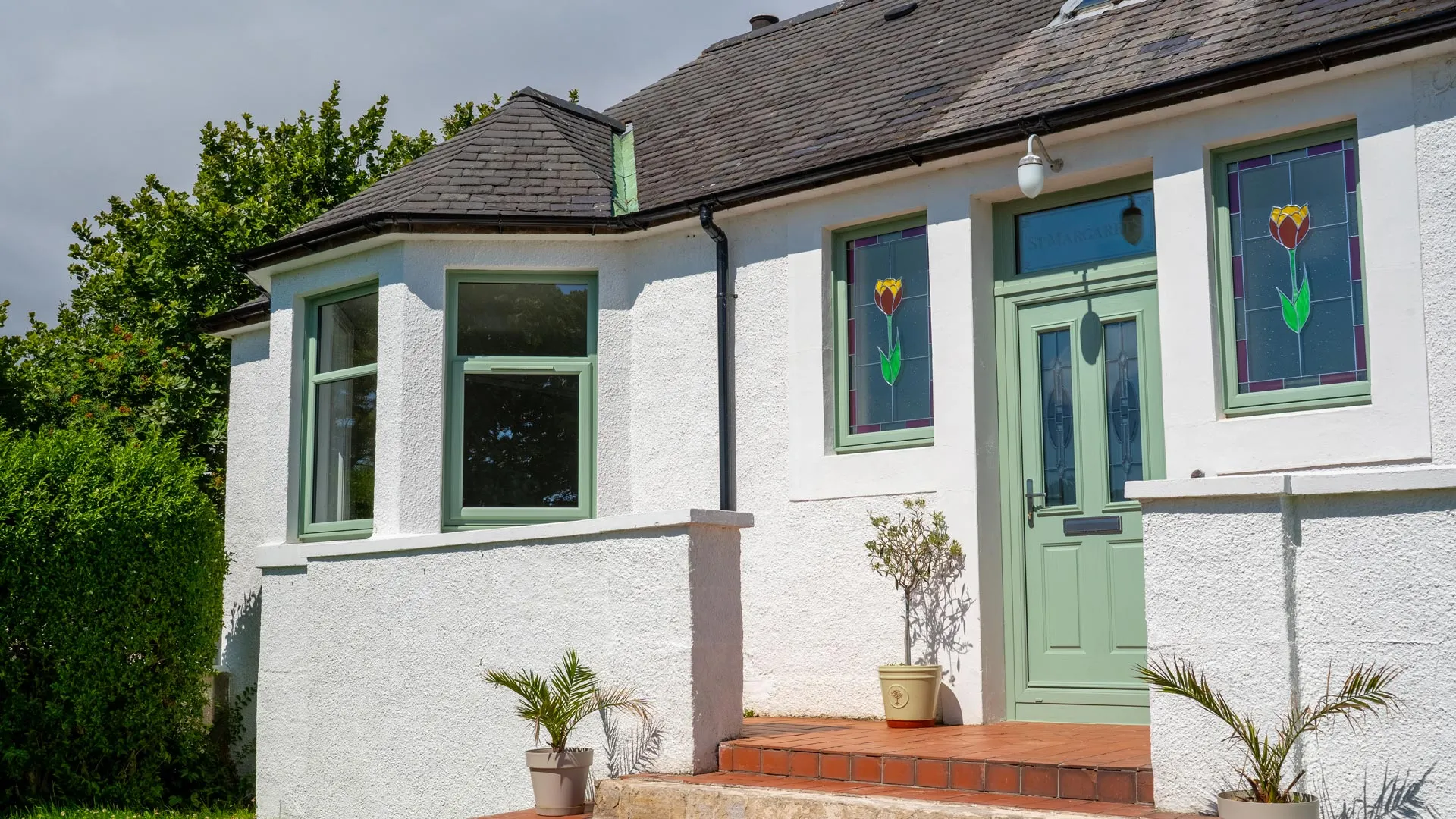
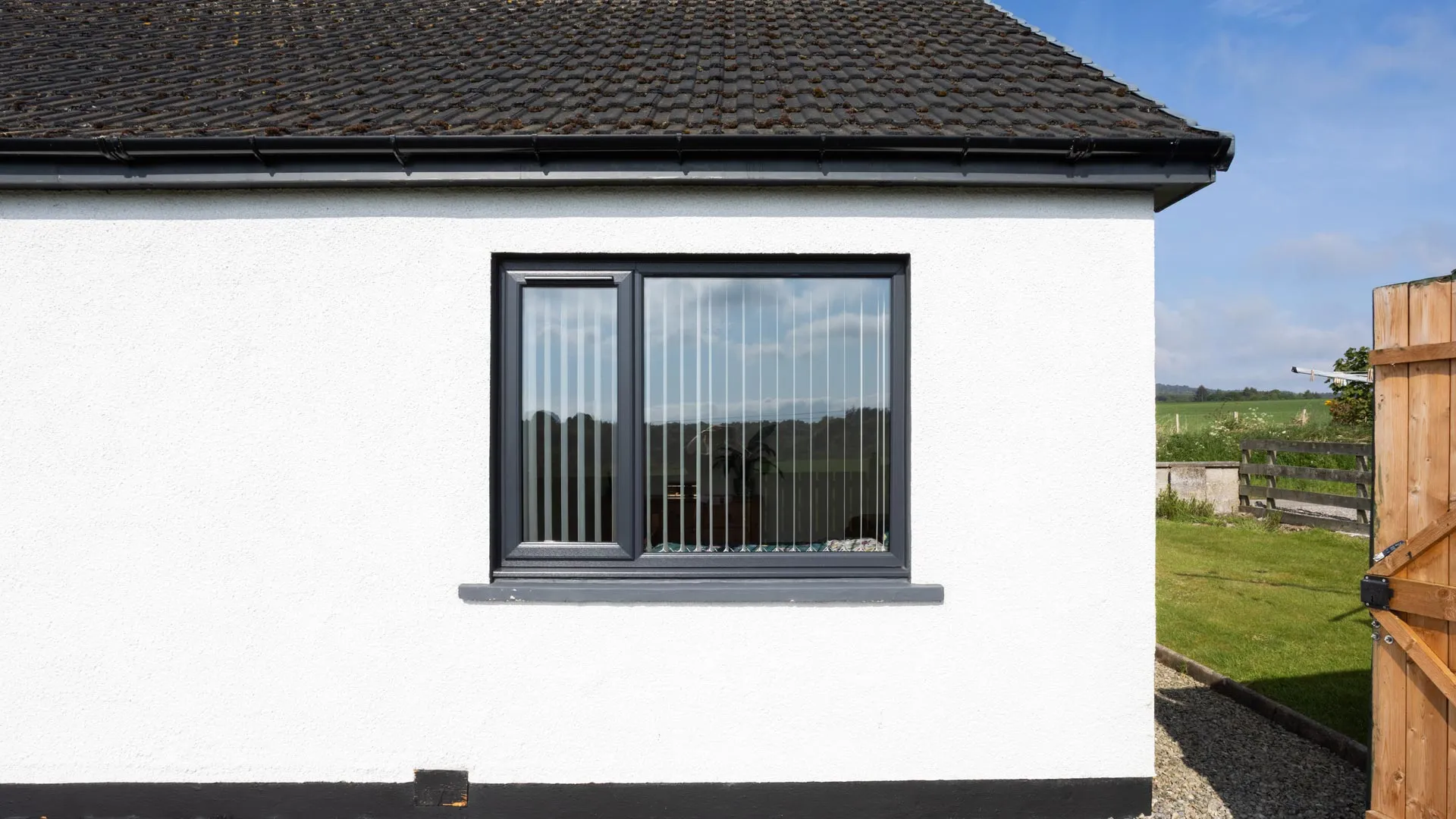
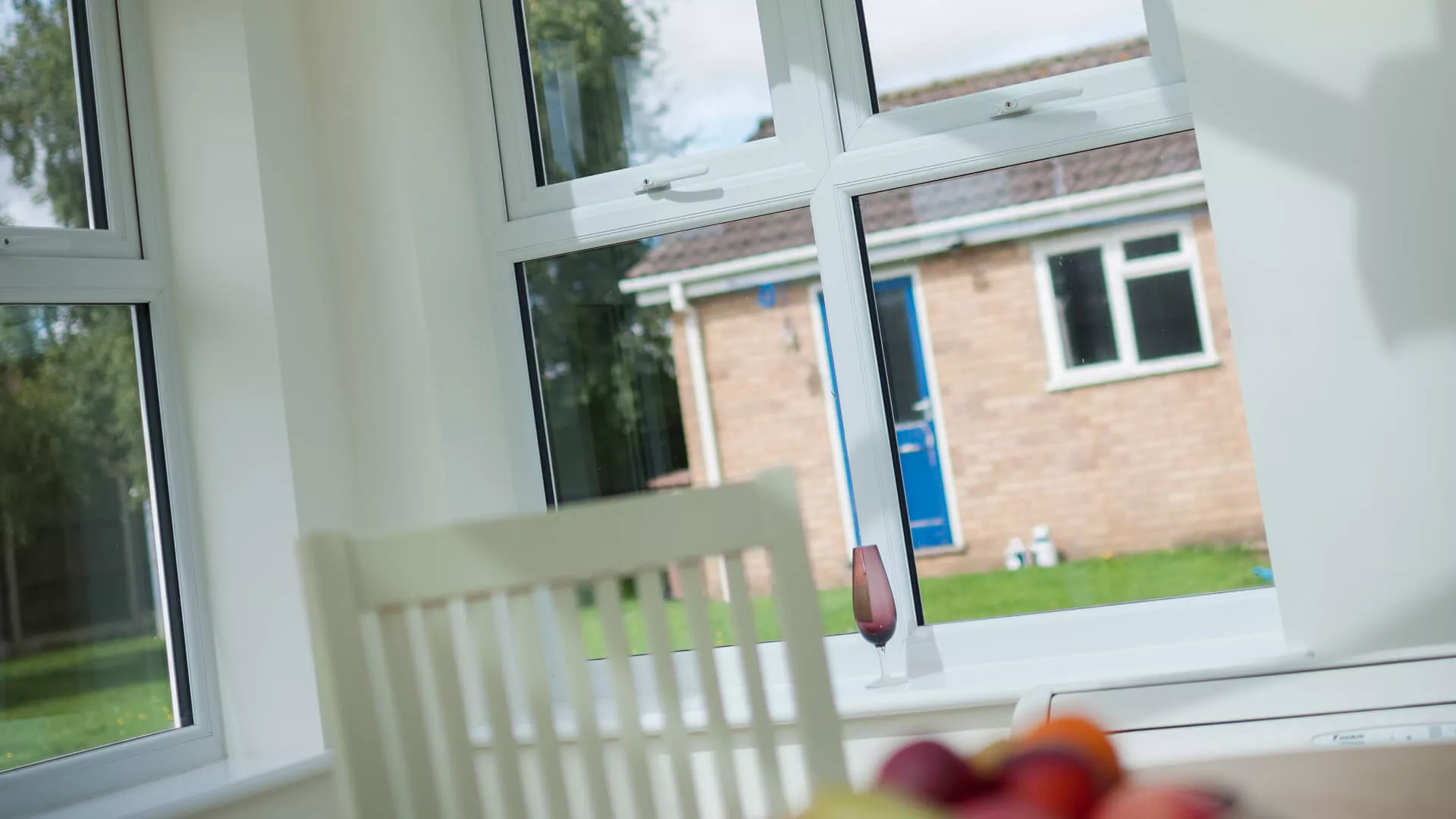
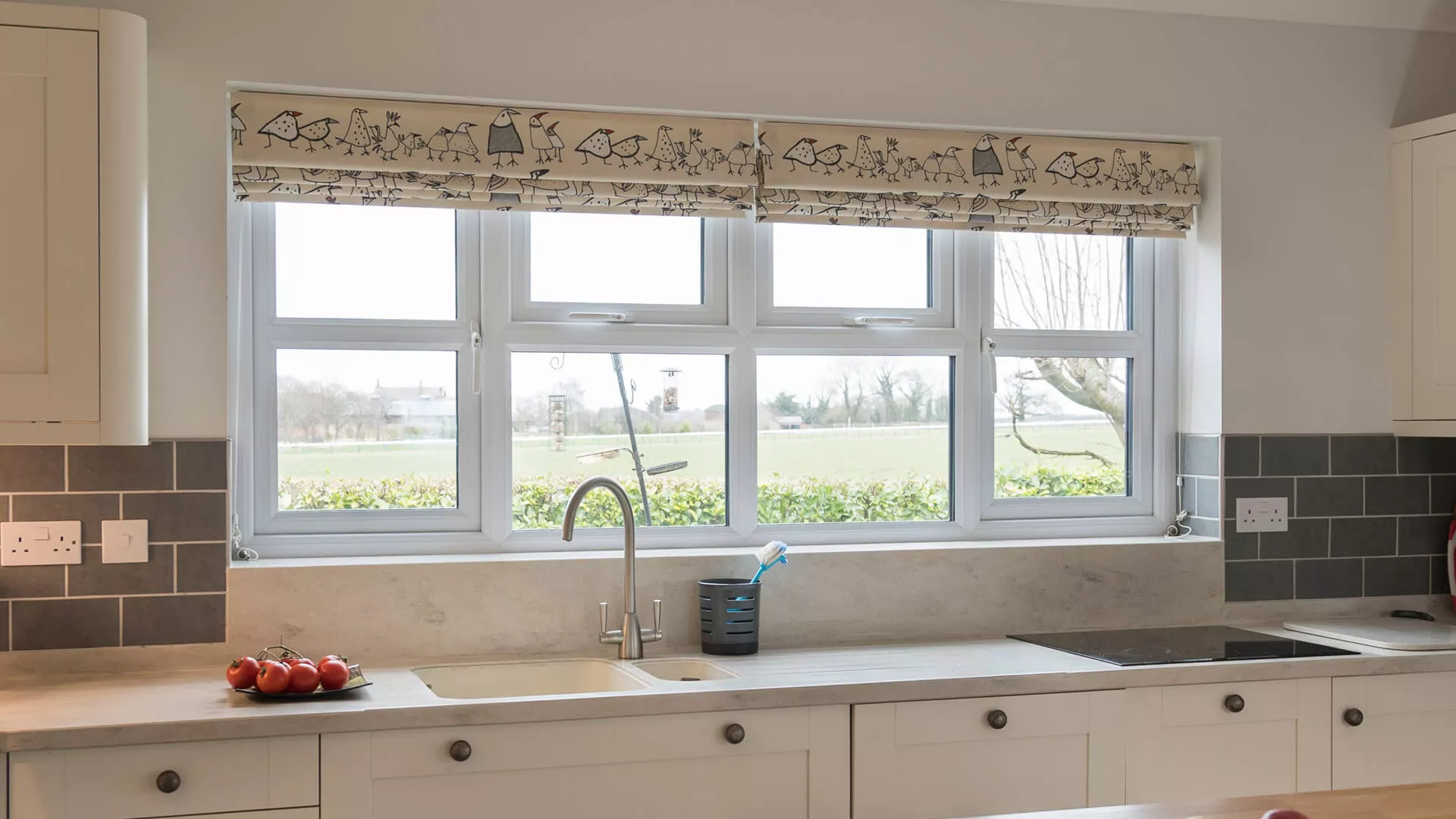
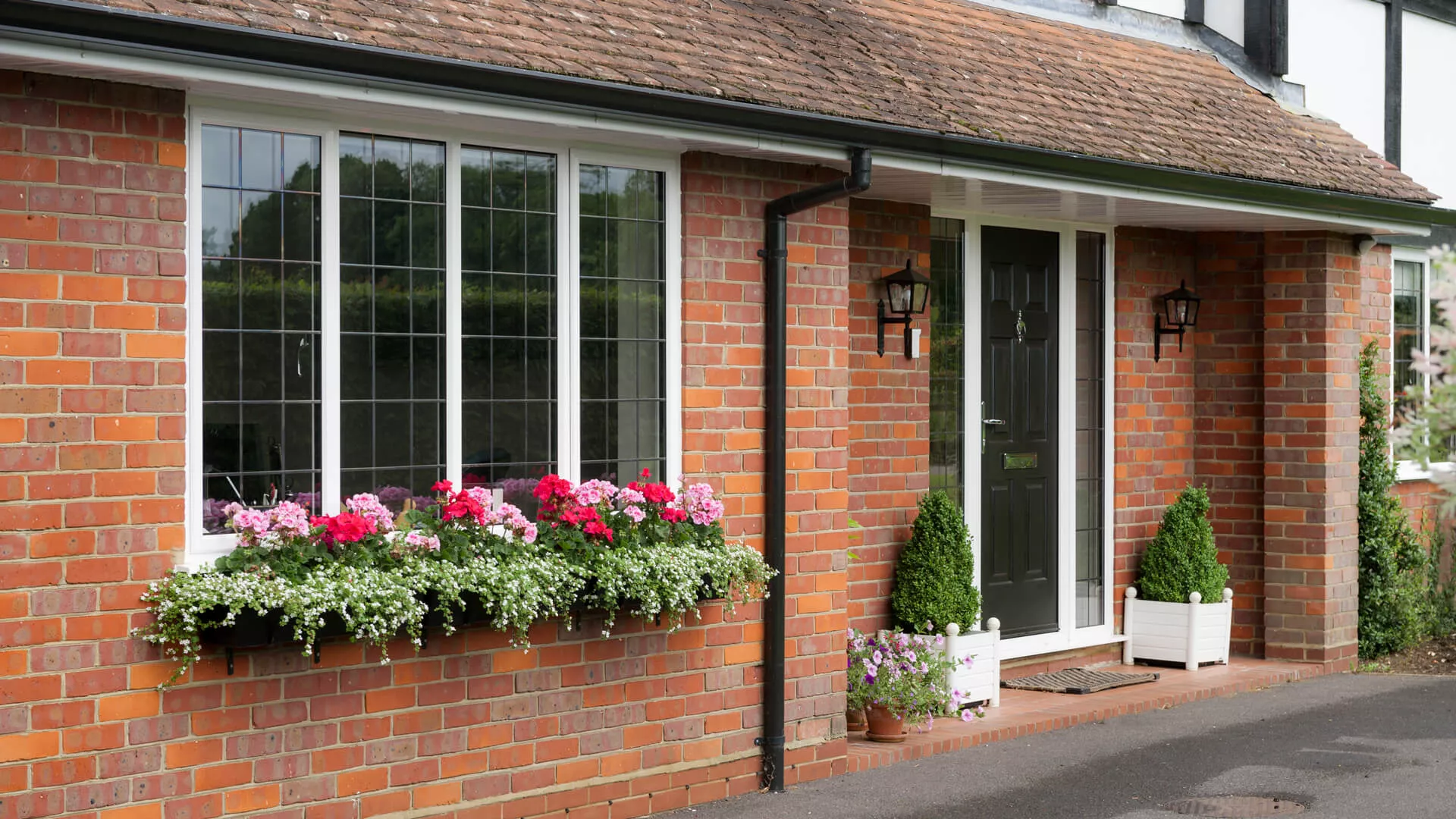
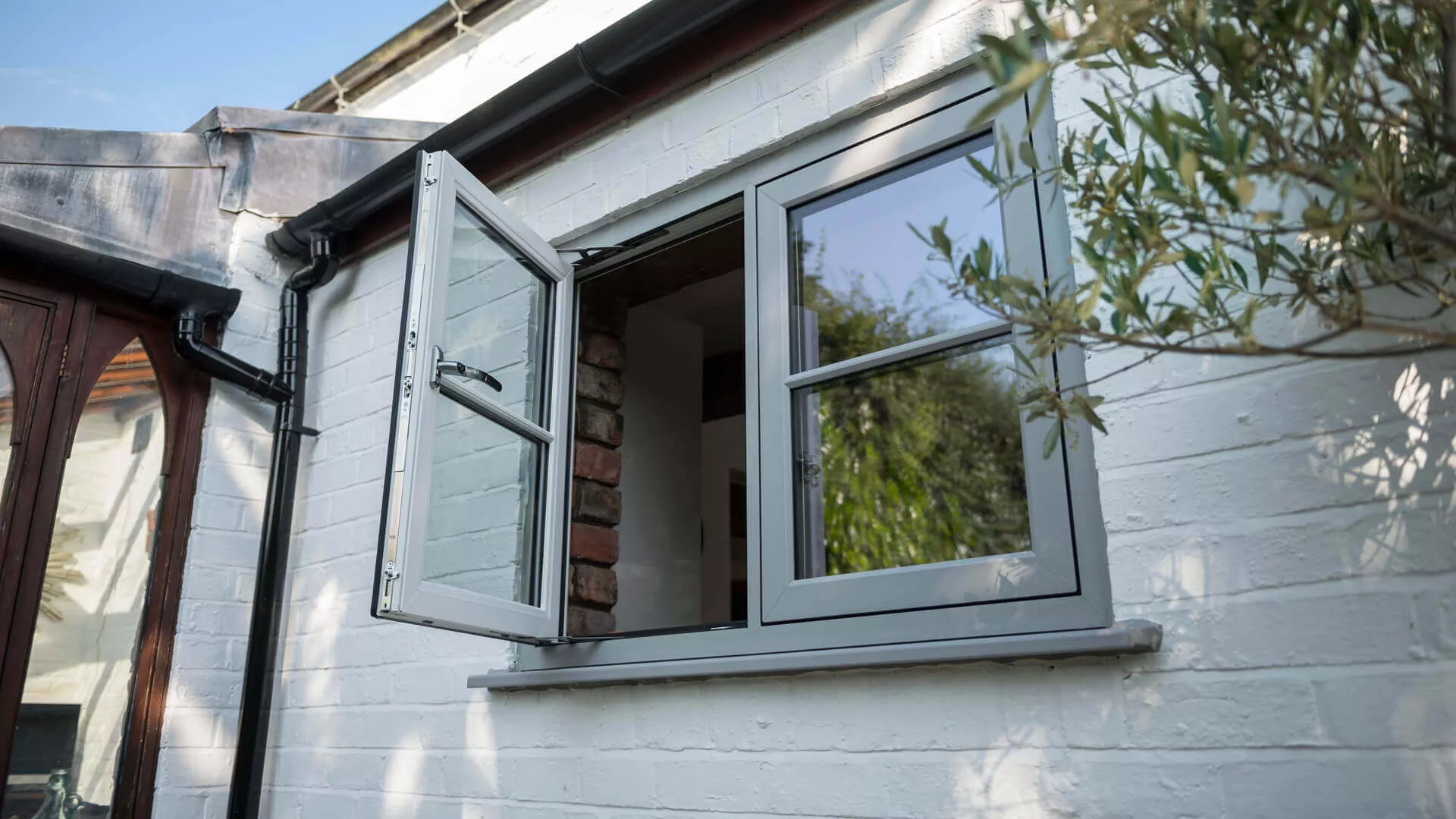
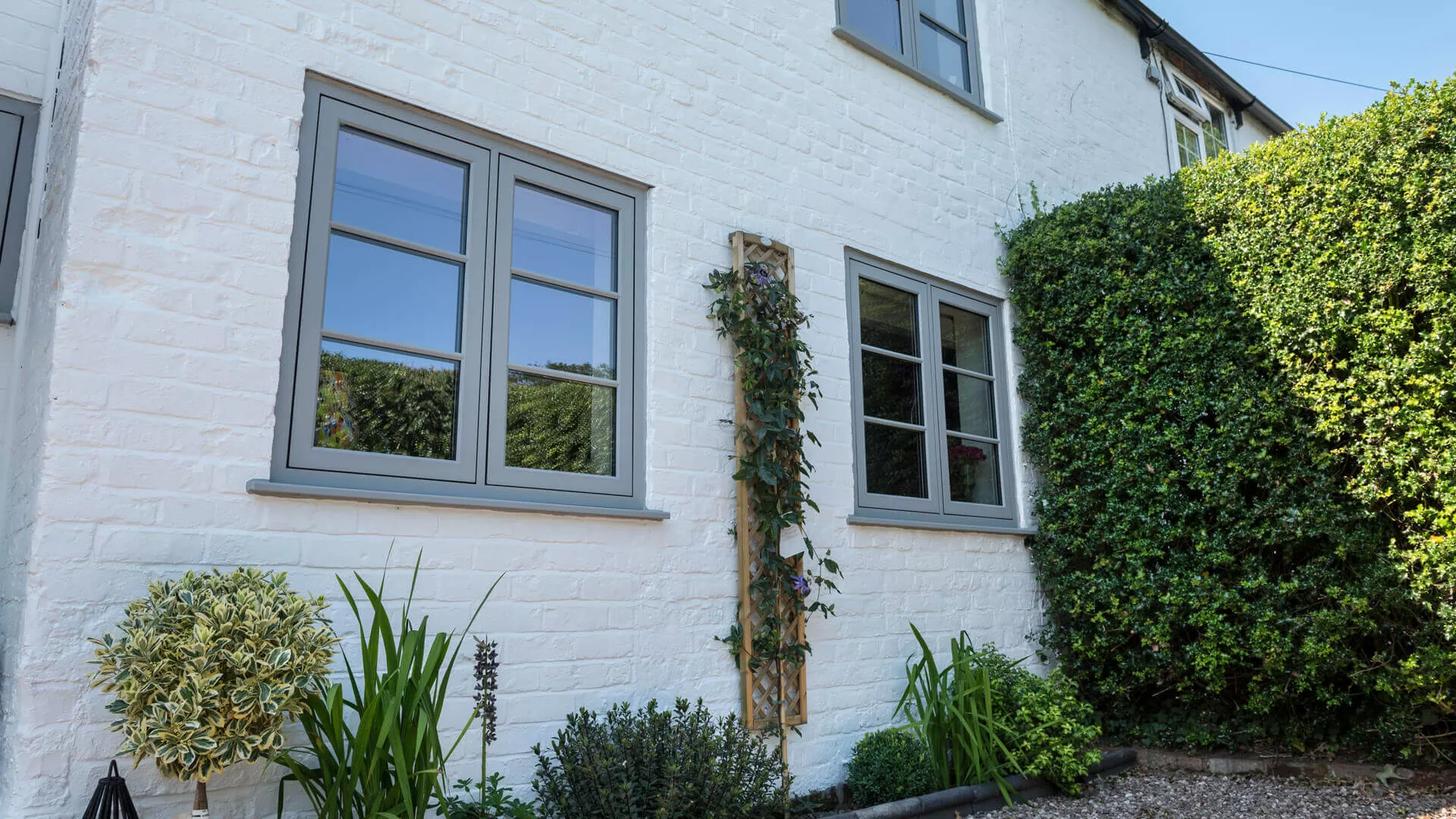
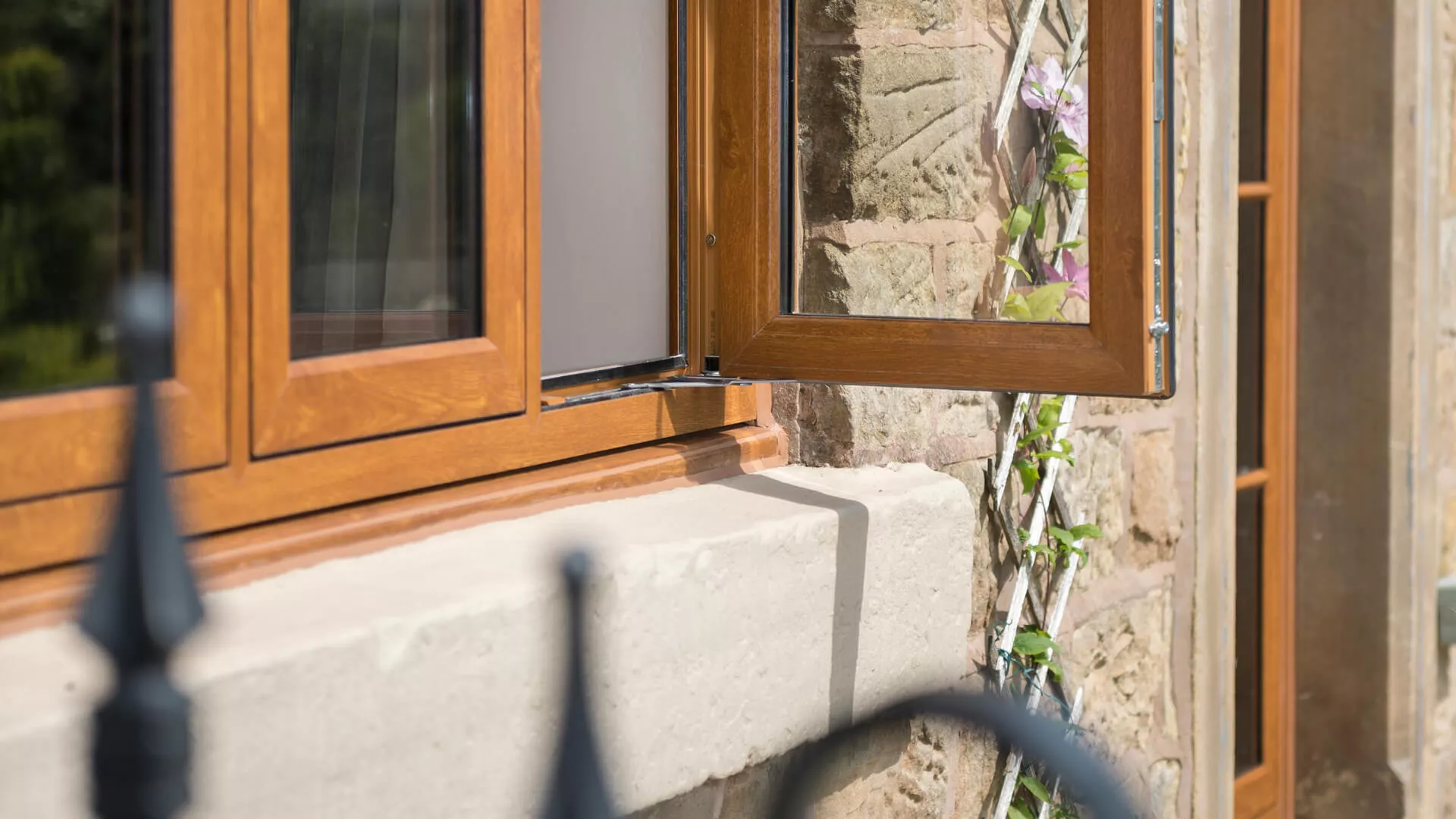
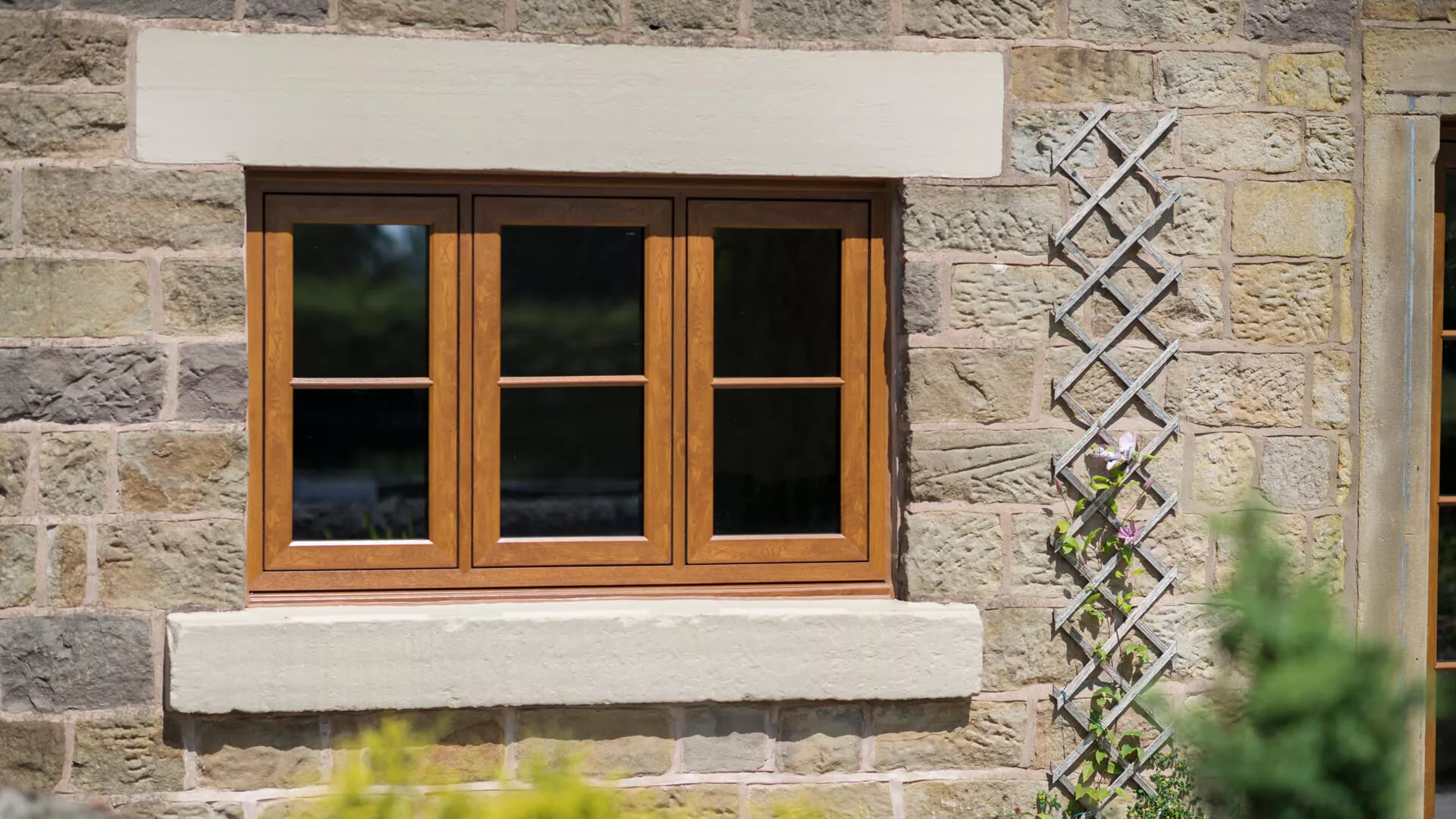
UPVC frames are popularly used to mimic the unique appearance of classic timber frames and mostly fitted at traditional and period dwellings. Woodgrain foil finishes manage to help UPVC display a traditional aesthetic and can be largely left untreated, unlike timber.
Just about any RAL colour is available for powder-coating onto aluminium frames, ensuring almost limitless choice.
There’s a narrow selection of foil finishes for UPVC frames, but the group consists of interesting woodgrain effects and current-day shades.
The two materials can exist alongside each other if that’s what works. For example, you could have a home with aluminium bi-folding or sliding doors and UPVC frames surrounding them. Matching their hues will ally the openings.
How Do I Pick a Window Material?
Deliberate what you value most when trying to fathom where you sit in the continuous debate about aluminium vs upvc windows.
Our priority list will help settle your judgement:
- Cost
UPVC comes at a lower cost. However, aluminium’s premium style and unmatched strength could prove to be worth the extra investment. - Duration
Aluminium generally outlasts UPVC and loses none of its toughness throughout its life. While UPVC has a shorter lifespan, its all-round performance is superb. - Upkeep
Both can be rightly termed as low maintenance materials. Aluminium powder-coated finishes never fade or corrode and UPVC only calls for the occasional clean. - Thermal Efficiency
Definitive specification enables modern thermally broken aluminium and multi-chambered UPVC windows to accomplish huge feats in thermal performance. - Sustainability
Aluminium can be continuously recycled and endures for decades, while UPVC offers prolonged insulation. - Security
A window frame cannot ensure your safety on its own, as it needs accompanying robust hardware, a multi-point lock, and tough glazing. - Aesthetics
Admirers of contemporary design will be drawn towards aluminium windows and their sleek looks. You can transform UPVC so that it imitates traditional timber.
Take this advice on board too…
- Approach at least 3 different reputable window installers for quotes to compare prices.
- Inquire about U-values, glazing, PAS 24 and guarantee details.
- Interact with window options face-to-face in a showroom and ask to be shown project examples.
So, upvc vs aluminium windows which is better? We’re not sitting on the fence, but it honestly depends on your situation – that’s how you’ll discern the answer.
A conservation with an advisor from ERG may clarify matters, who can also inform you about the benefits of soundproof windows.






REQUEST YOUR FREE QUOTE
Simply fill in your details for your free, no obligation quotation, and click "Get Quote"