
What Are Composite Doors and Will My Home Suit One?
The word ‘composite’ means something consisting of many elements. So, a composite door meaning is of something constituting several materials rather than one lone material, such as UPVC or aluminium only. Composite doors are so strong and energy efficient for that reason
A Simple Breakdown:
- What is a composite door?
An external door composed of varied materials, possessing immense toughness and offering reliable weatherproofing, considerably more so than traditional single-material doors and simpler to preserve. - What are composite doors made from?
Most contain a solid timber or high-density foam core, insulating foam, timber, UPVC and a GRP (Glass Reinforced Plastic) skin, as well as a secure lock. - How long does a composite door last?
The predicted lifespan is 25-35 years for a well-built, professionally installed composite entryway with weather-resistant capabilities.
Your objectives will determine whether a composite door is the right or wrong choice. If you’re after top security, high energy efficiency and low maintenance, it’s worth exploring. While more costly than a UPVC door, the range of benefits justify the extra expense.
Request Your Free Door Quote
Simply fill in your details for your free, no obligation quotation
Is A Composite Door Correct For Where You Live?
Millions of UK homeowners are attracted to composite-made doors for the reasons outlined above and more.
Nowadays, people want doors that are more than just functional, and will lower energy costs, elevate security and display elegance no matter what.
Replacement doors in Scotland that combine robustness, flair and insulation are the main aim for door buyers.
Anything else you’d like to know about composite doors will be explained in the remaining sections.
What Exactly Is A Composite Door?
We’ve given you an initial explanation, but let’s go more in detail. The materials it harnesses include a solid core, insulating foam and a weatherproof outer layer. Married together, it creates a door with remarkable strength and insulation.
You shouldn’t confuse ‘composite’ for something cheap and plastic, as that couldn’t be further from the truth. It symbolises high performance.
Composite Doors Are Made Of What Exactly?
A series of materials and components are combined in their construction, with each constituent selected due to how durable, insulating and stylish they are.
So that you never have to ask what is a composite door made of again, here’s some information about these door ingredients.
- Solid timber or engineered wood core
this is where its strength is sourced from and it is a supportive mechanism for the lock and hardware. - Insulating foam or core material
works to prevent cold coming in and preserves warmth, ushering an energy efficient environment. - Glass-reinforced plastic (GRP) outer skin
resists weathering, warping and protects the coloured finish. - uPVC or composite frame
offers stability, stops water ingress occurring and lowers maintenance requirements. - High-security locks and fittings
features multiple locking points to safeguard homes and families.
Composite offerings are door types with a mixture of timber or engineered wood, insulating foam, glass-reinforced plastic (GRP), UPVC and premium hardware. It’s no wonder they’re so tough, secure and weatherproofing.
UPVC is much thinner than composite door material because of the many layers within a composite frame. The multi-layered composition fosters incredible hardiness, security and insulation.
Can A Composite Door Cut Energy Bills?
It certainly can, as superior insulation is a major selling-point of the product. Being multi-layered helps in this regard and contributes to heat loss reduction and draught elimination. You won’t turn to your heating as often and cheaper energy bills will reflect that. A tightly sealed frame also supports energy-saving.
If you look to sell the property in the future, an estate agent will class a composite front door as a centrepiece and it could work in your favour in terms of the valuation issued.
The insulated core is fundamental to the standard of thermal efficiency a composite can realise. Draughts will be less prevalent than before, heating charges will cost less and it will usher improved warmth throughout the house, including in winter.
How Secure Is A Composite Door?
Security is a central factor in the development of composite doors. They have what it takes to repel break-in attempts and resist the wear and tear that inflicts many entryways, causing their security to diminish.
Here’s a list of some key security features:
- Multi-point locking system
engages at a series of points along the door frame, minimising the threat of a forced entry. - Reinforced cores
the solid or engineered timber core instils strength and decreases the possibility of the door being kicked open or dented. - Impact-resistant outer layers
you won’t suffer door scratching because of the force-resistant, glass-reinforced plastic (GRP) skin. - Modern security compliance
PAS 24 requirements are met, as are UK safety standards.
It’s the reinforced core, multi-point locking mechanism and impact-resistant skin that helps a composite outclass a UPVC door for security.
While it can’t be claimed that composite doors are impossible to break, an expertly fitted solution incorporating a modern lock will minimise the likelihood of a forced entry being successful.
Roughly, How Long Will A Composite Door Last?
The survival rate is around 25-35 years for a well-built, correctly measured composite door (find out how to measure a door) that’s fitted to the required specifications. Our comprehensive product guarantee is an assurance of the quality offered.
UPVC doors don’t tend to endure for quite as long (15-25 years), but timber doors can exceed the 35-year mark by a considerable distance. However, that’s reliant on you frequently maintaining it.
Upkeep is integral to a composite door if you want it to realise that 25-35 year predicted lifecycle.
Warping, cracking and fading occurs very rarely because of the GRP outer skin and core and more afflicts old timber and UPVC doors.
A Bulleted List Of Composite Door Benefits
For quick browsing, here’s an easily scannable list of the top-line advantages of composite door ownership, which will also extend your knowledge of what are composite doors.
- Robust home security
marrying together a solid core and multi-point lock greatly minimises the threat of a forced entry. - Impressive insulation
conceals warmth, most notably during the winter. - Fewer draughts
compact sealing prevents cold leaks around the door frame. - Minimal maintenance
you don’t have to bother with any sanding, staining or repainting. - Weatherproofing
resistance to the weather means no warping, rotting or swelling will manifest. - Abiding quality
will endure for decades without high maintenance. - Noise reducing
external noise won’t be as audible from the indoors. - Stylish appeal
composites’ exude class and have rich and engaging coloured finishes.
Out of the benefits, insulation is a biggie, as everyone hopes to have a home interior that’s well-heated, particularly once winter arrives, and more affordable energy.
Want To Get A Front Door Upgrade Organised?
To finish our written outline about what is a composite front door, we’ll reiterate what the benefits are of having one, with magnified security and smartened home kerb appeal being the obvious advantages.
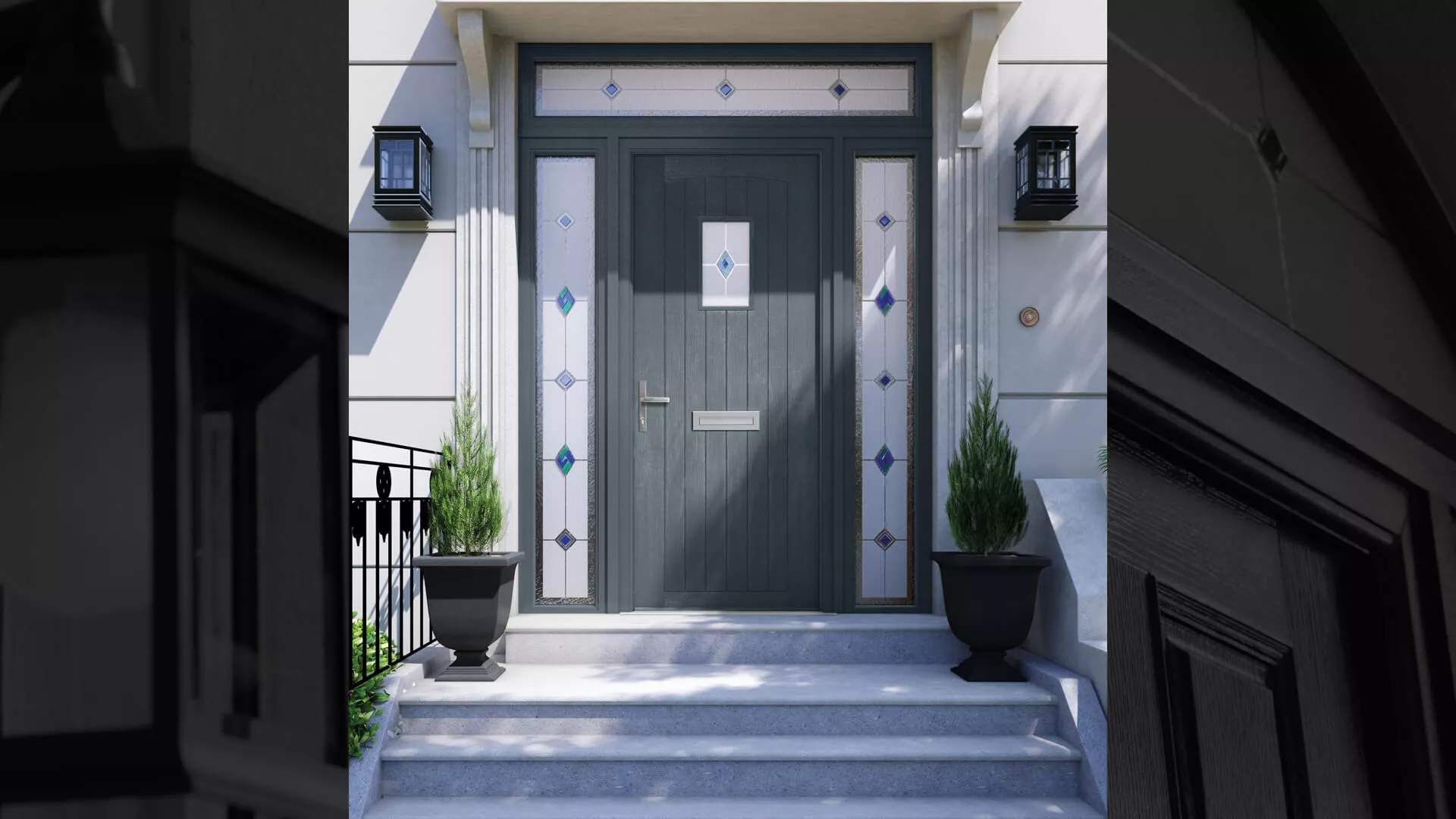
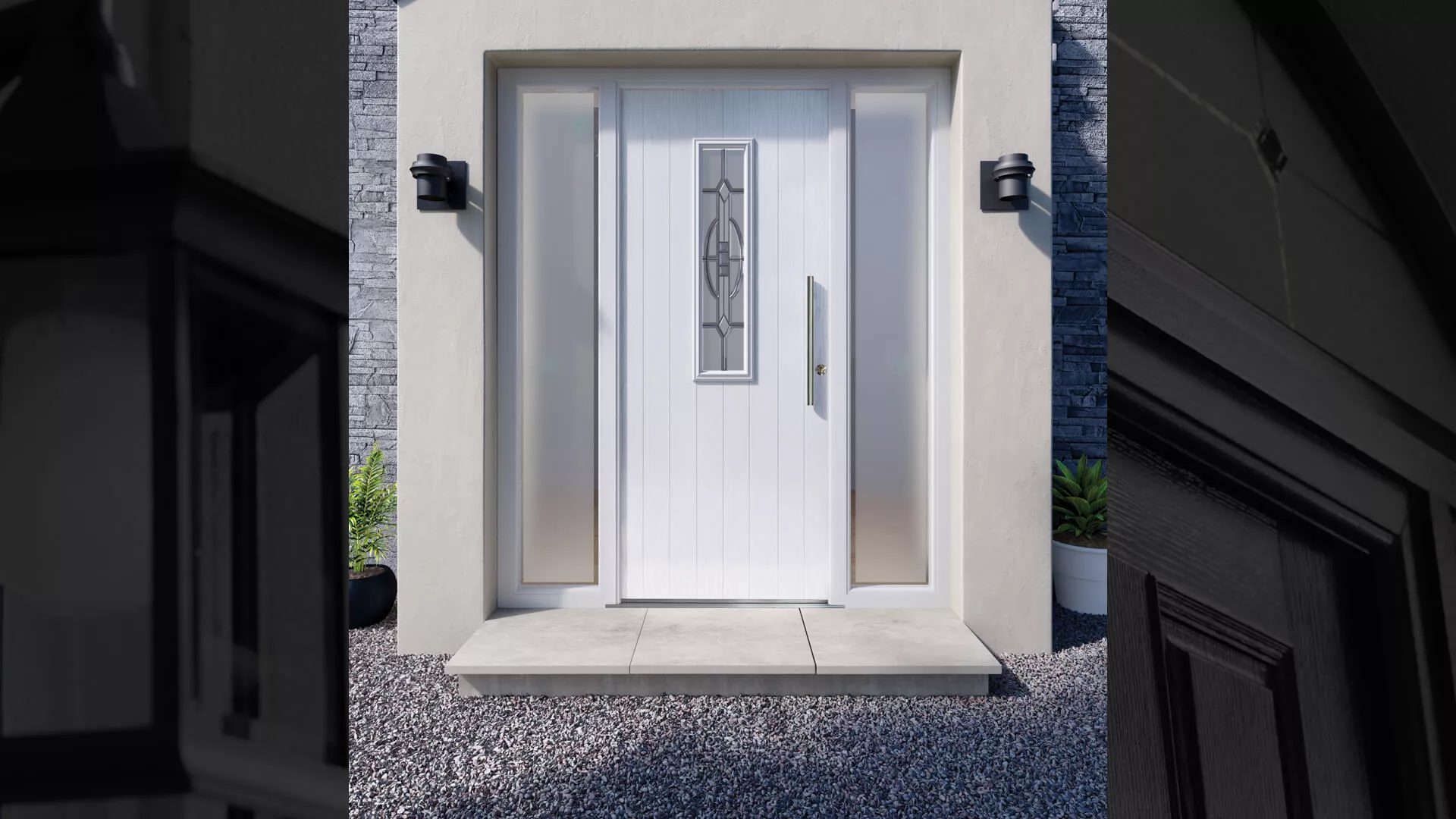
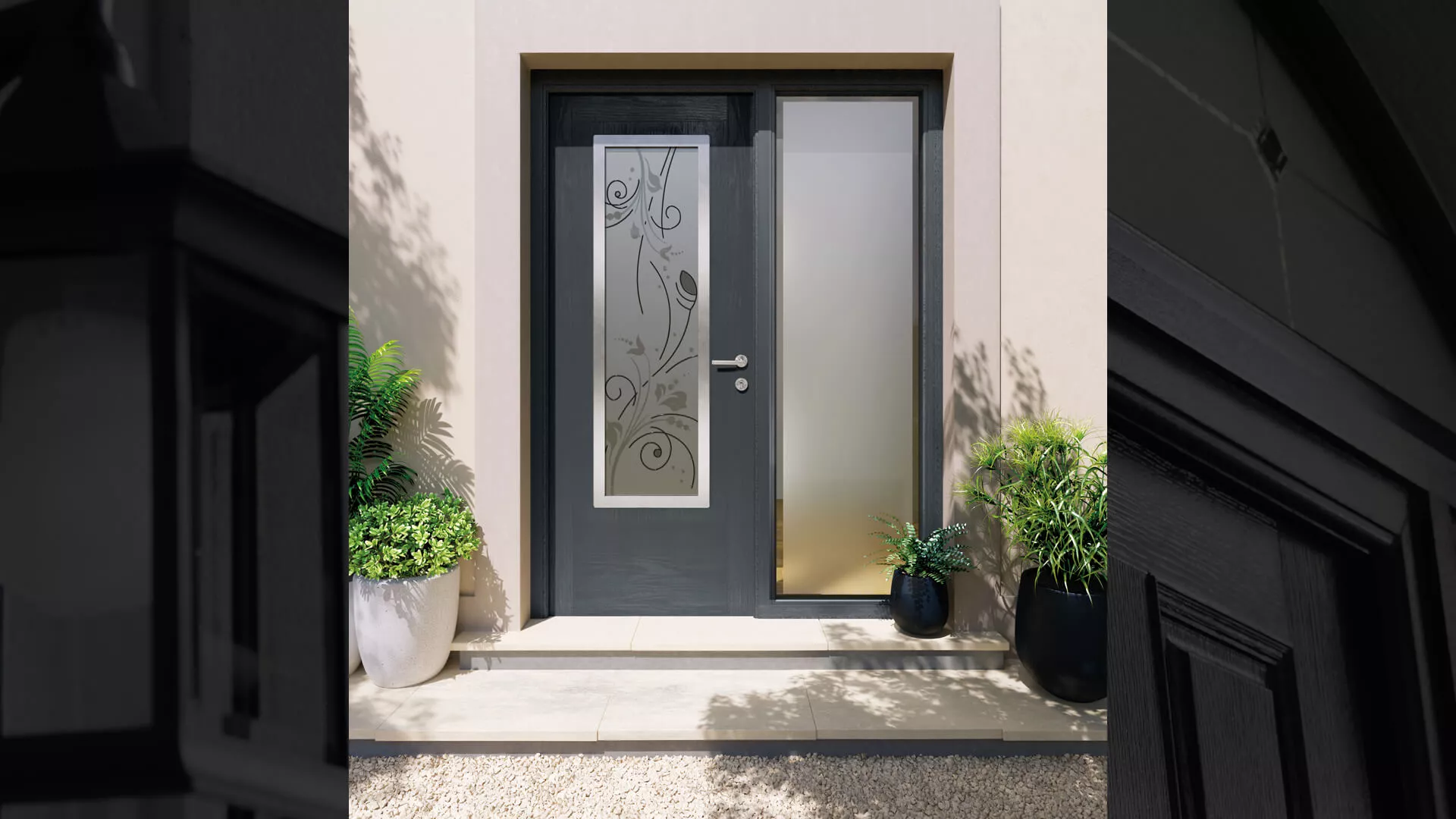
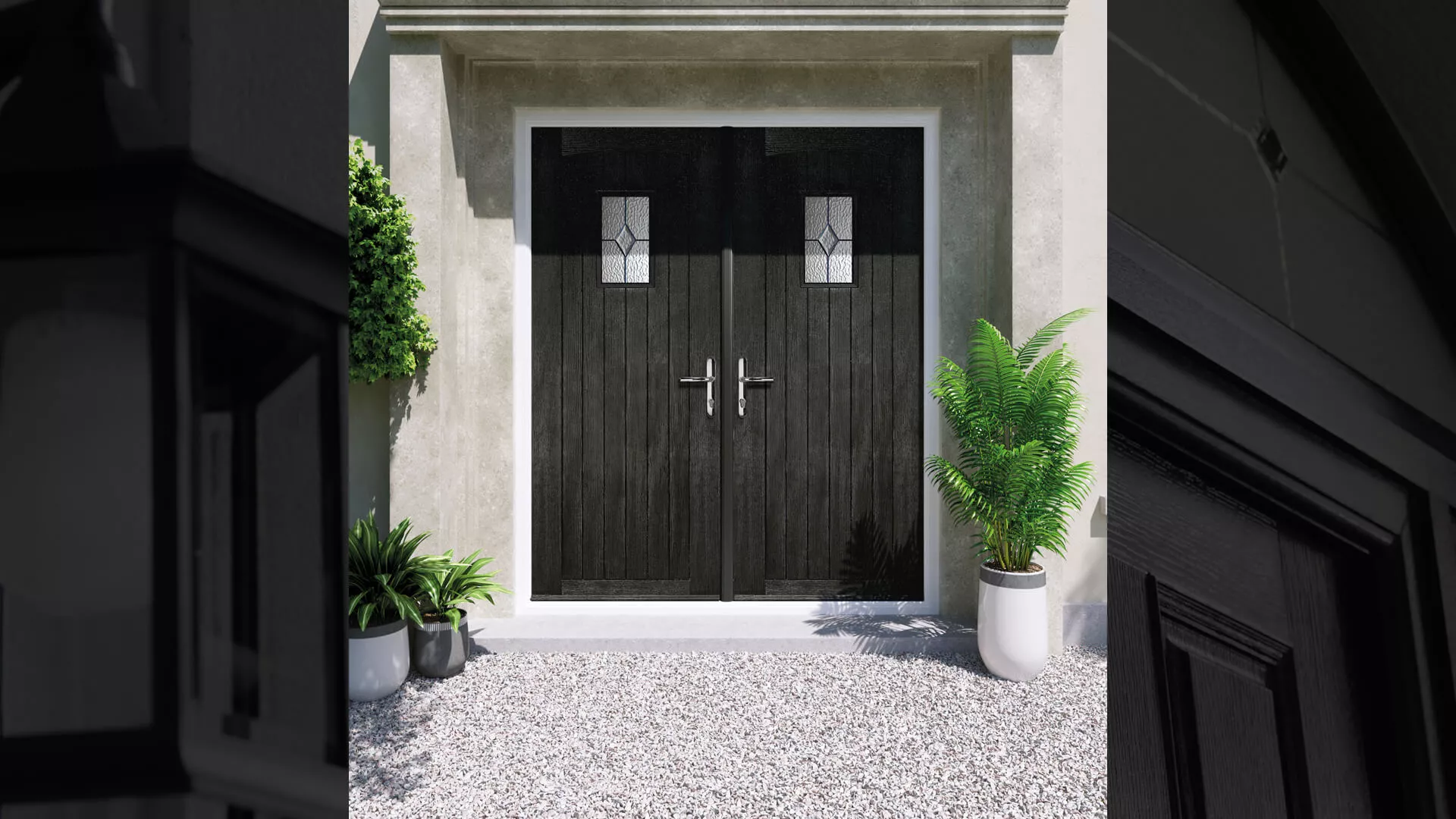
Connect with ERG Scotland if you’re ready to swap your entrance for a composite door. We can visit your house to assess the available opening, measure up, advise of suitable styles and on your orders, carry out the fitting.
Have a read of our article on standard front door sizes to understand what the typical door size is.




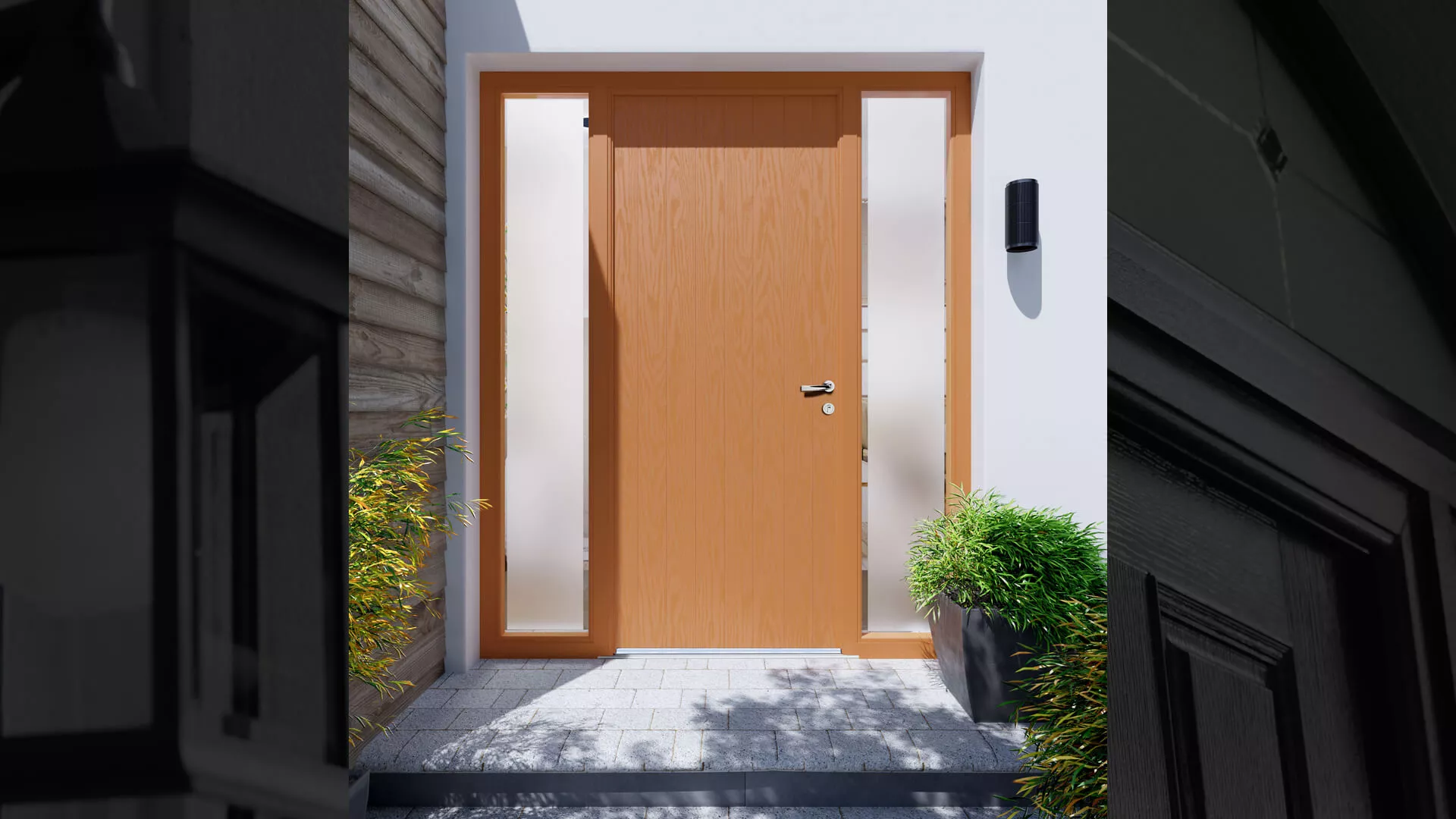

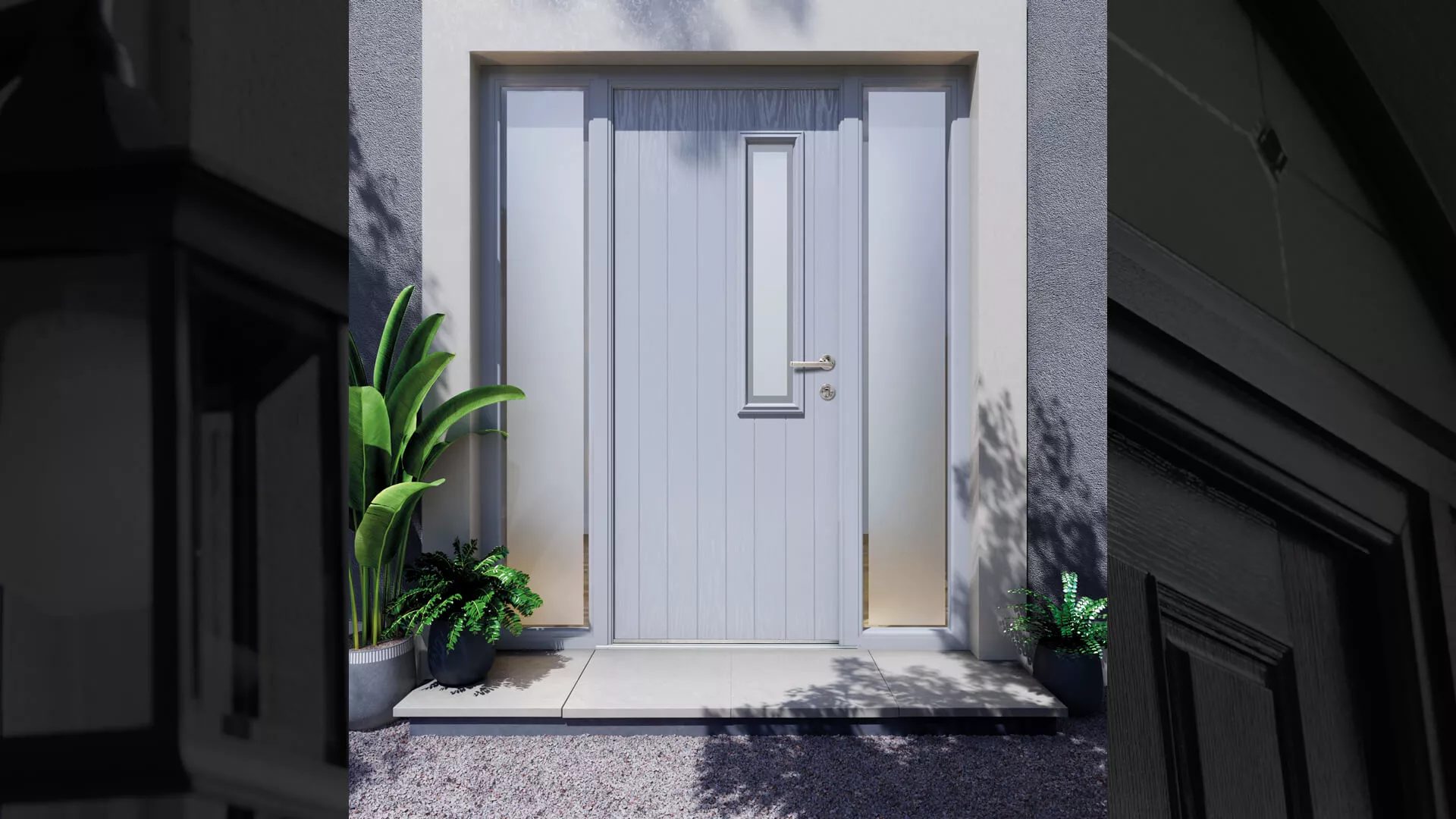
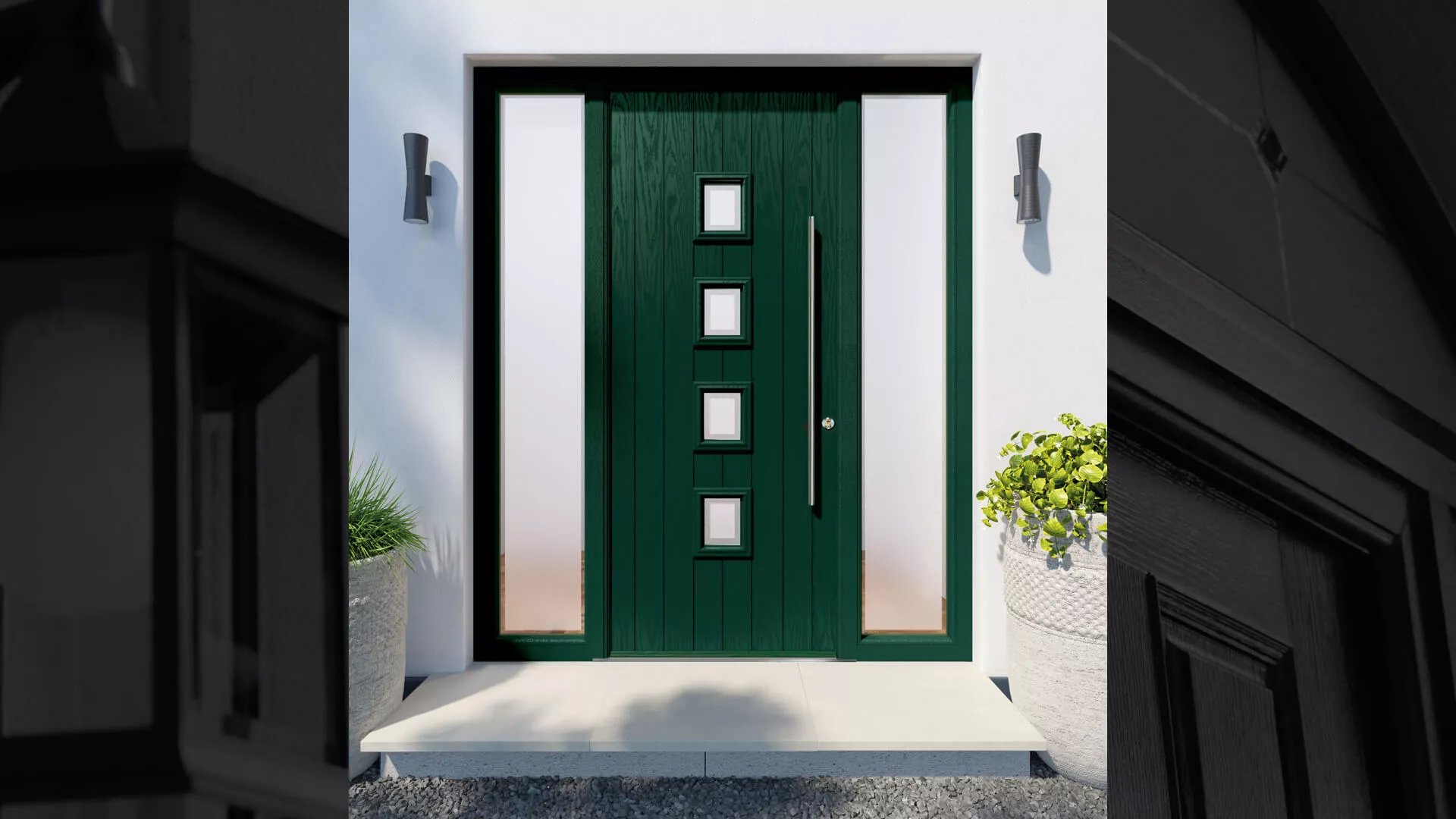


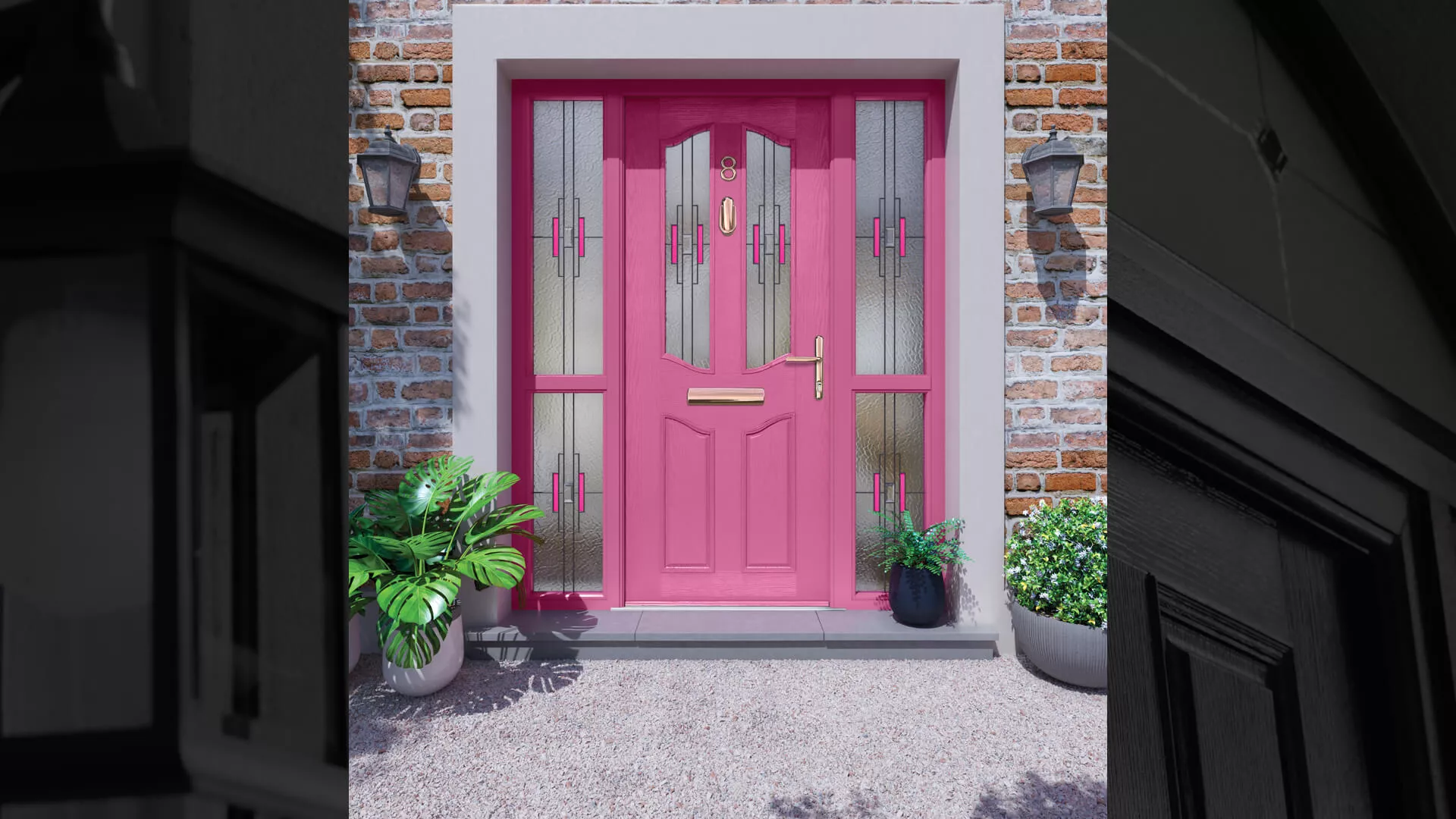



REQUEST YOUR FREE QUOTE
Simply fill in your details for your free, no obligation quotation, and click "Get Quote"